
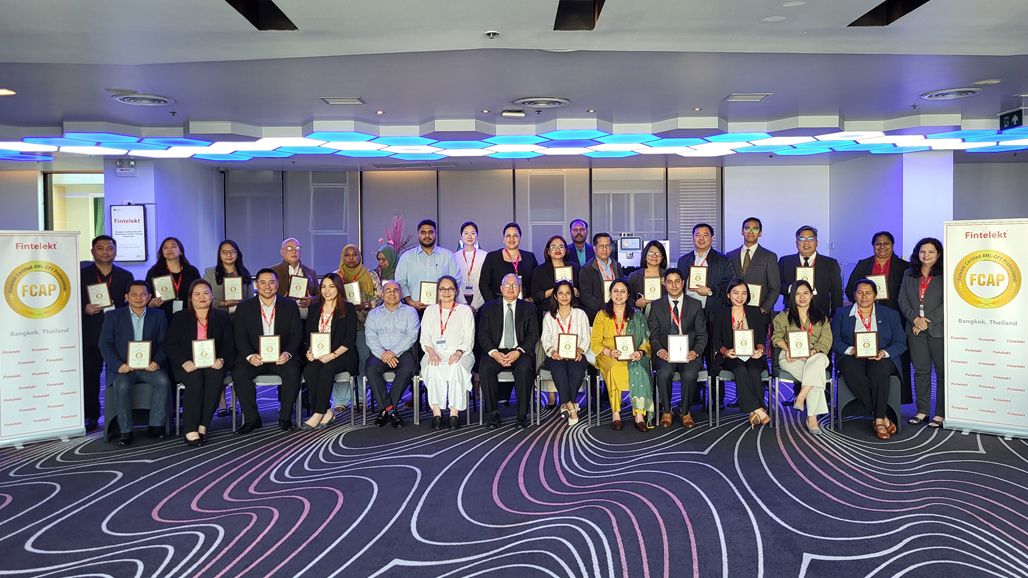
The Fintelekt Certified AML/CFT Professional (FCAP) programme is an intensive two-day masterclass crafted for both aspiring and experienced AML/CFT professionals who are committed to strengthening their skills and staying ahead of emerging financial crime threats. Designed as a practical, hands-on learning experience, FCAP equips participants with the latest tools, techniques, and insights shaping the world of anti-money laundering (AML) and countering the financing of terrorism (CFT).
Held on January 22 and 23, 2025, at Hotel Aloft, Bangkok, in association with the Asian Bankers Association (ABA), the FCAP programme brought together professionals from across Asia representing both public and private sector institutions for an immersive learning journey.
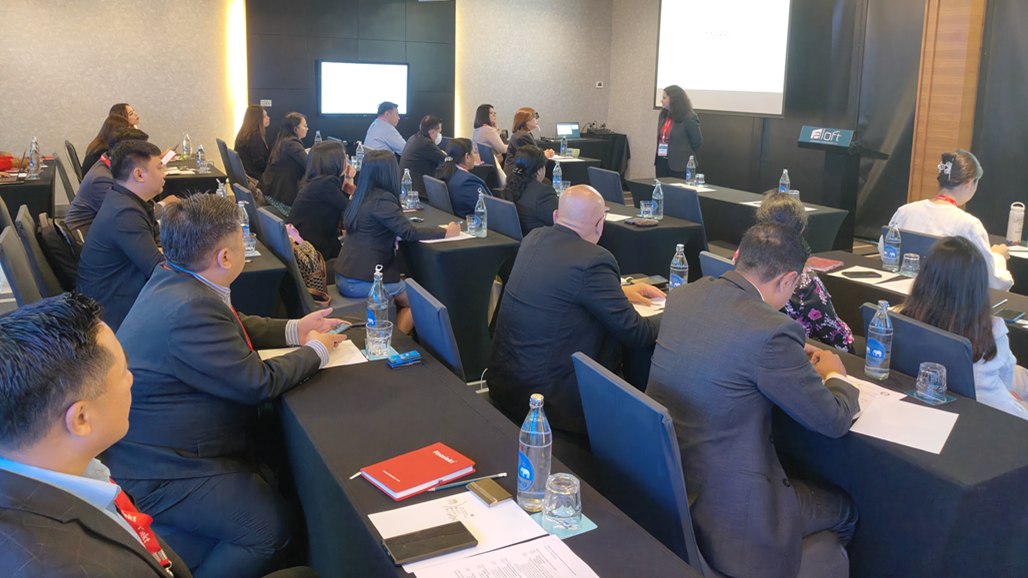
FCAP Programme - Day One
Opening Session
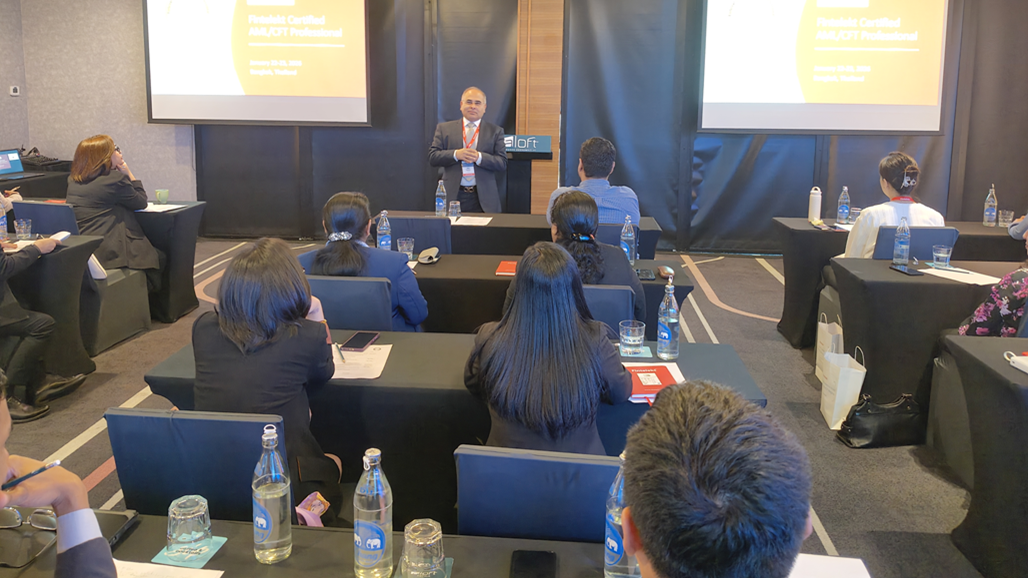
 Opening the programme, Arpita Bedekar, Chief Operating Officer at Fintelekt, started off the session with a short quiz on AML/CFT compliance to quickly test the AML knowledge within the group. She explained that FCAP was created in response to a growing regional demand for an advanced certification that not only demonstrates professional commitment but also contributes meaningfully to strengthening AML/CFT frameworks within institutions, nations, and the global financial system.
Mig Moreno, ABA Deputy Secretary, underscored the importance of continuous learning in an ever-evolving financial crime landscape. He spoke of ABA’s role in fostering collaboration among bankers and financial professionals across Asia, enabling collective progress on issues of strategic importance such as AML/CFT.
The opening session concluded with an ice-breaker game in which participants were introduced to their group and encouraged to interact with and get to know their peers in the classroom.
Training Sessions
The technical sessions on the first day were led by Vikas Tandon, Trainer, Fintelekt, who set the tone with an insightful discussion on the fundamentals of AML and CFT beginning with a strategic understanding of risks and the application of a risk-based approach. Drawing from his extensive practical experience, he highlighted the importance of strong AML governance, balancing compliance imperatives with business objectives, and aligning them with an organisation’s defined risk appetite.
With a number of casinos in attendance, Vikas also discussed the growing money laundering risks from the casino and gaming sector. He spoke about the role of the risk based approach and its application in various sectors to improve control efficiency and demonstrate growing effectiveness in AML/CFT frameworks.
Vikas continued the training programme by guiding participants through the evolving priorities in customer screening and due diligence. He explored key areas such as sanctions compliance and screening, the heightened risks associated with politically exposed persons (PEPs), and the importance of adverse media monitoring as an early warning tool for identifying potential reputational and financial crime risks.
The session also delved into the complexities of ultimate beneficial ownership (UBO) highlighting the challenges in uncovering the true owners behind legal entities, corporate vehicles, and layered arrangements. Vikas discussed practical methods for establishing beneficial ownership and source of funds, underscoring why transparency and rigorous verification are fundamental to an effective AML/CFT framework.
Special Guest Session
A special guest session featured Dr. Naomi Doak, Regional Coordinator, Counter Wildlife Trafficking, Wildlife Conservation Society, Bangkok. Dr. Doak shed light on the regional trends in wildlife trafficking and environmental crimes, and their growing intersection with organised criminal networks.
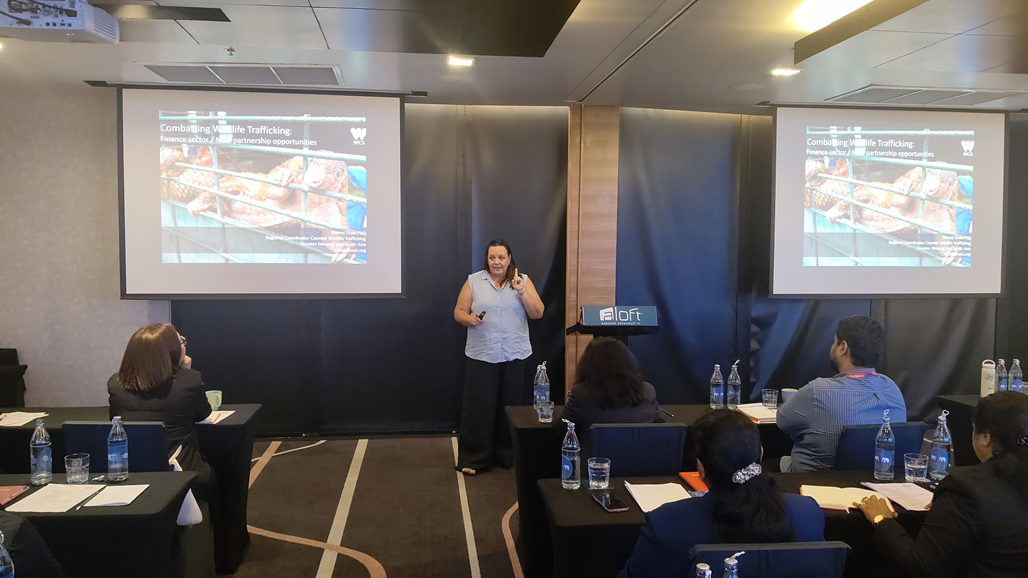
She discussed emerging money laundering typologies linked to these crimes and noted that FATF assessments are increasingly evaluating countries on their effectiveness in tackling environmental offences. Her session served as a strong reminder of the compliance community’s critical role in detecting and reporting suspicious payments tied to illegal wildlife trade and the value of technology and collaboration in doing so.
Group Work
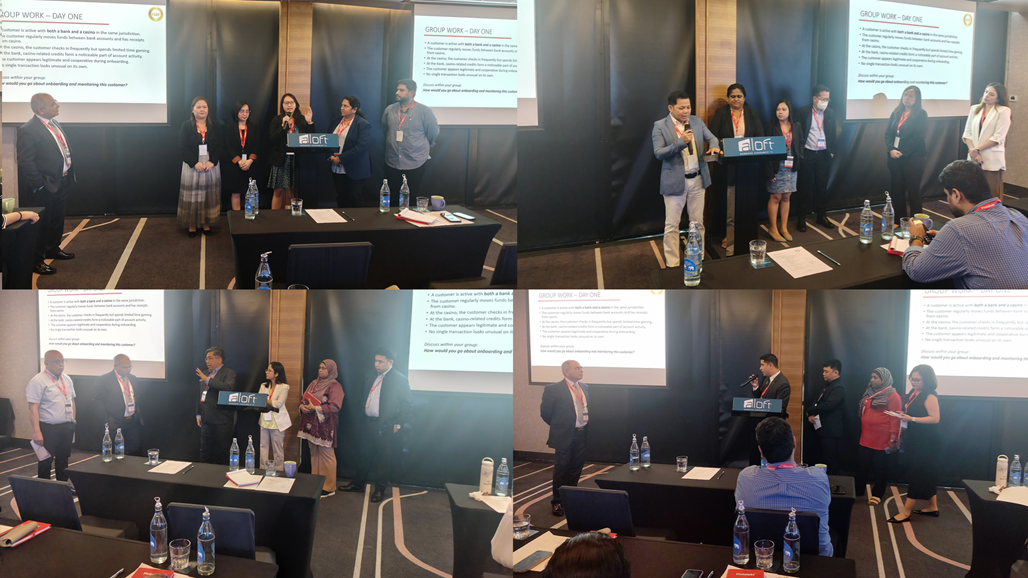
The day concluded with a lively group activity, where participants were divided into teams to assess ML/TF risks associated with specific financial products and design practical mitigation strategies. Each team presented its findings, sparking an exchange of perspectives and concluding with insights and reflections from Vikas.
FCAP Programme - Day Two
Training Sessions
 The second day of the FCAP programme began with a session by Arpita Bedekar on the fundamentals of virtual assets and cryptocurrencies.
Arpita underscored the growing importance for compliance professionals to stay informed about the rapid developments in the crypto ecosystem. She highlighted how illicit actors continue to exploit regulatory gaps and emphasised the need for AML officers to understand these vulnerabilities in order to safeguard their institutions from exposure to crypto-related financial crimes.
Building on the theme of emerging risks, Julia Chin, Trainer, Fintelekt, led an engaging session on risks and vulnerabilities in digital payments. Drawing from real-world examples, she encouraged participants to consider how frauds and scams affect ordinary people and the broader implications for financial integrity. Julia also discussed the critical role of financial inclusion in maintaining trust and resilience within the financial system.
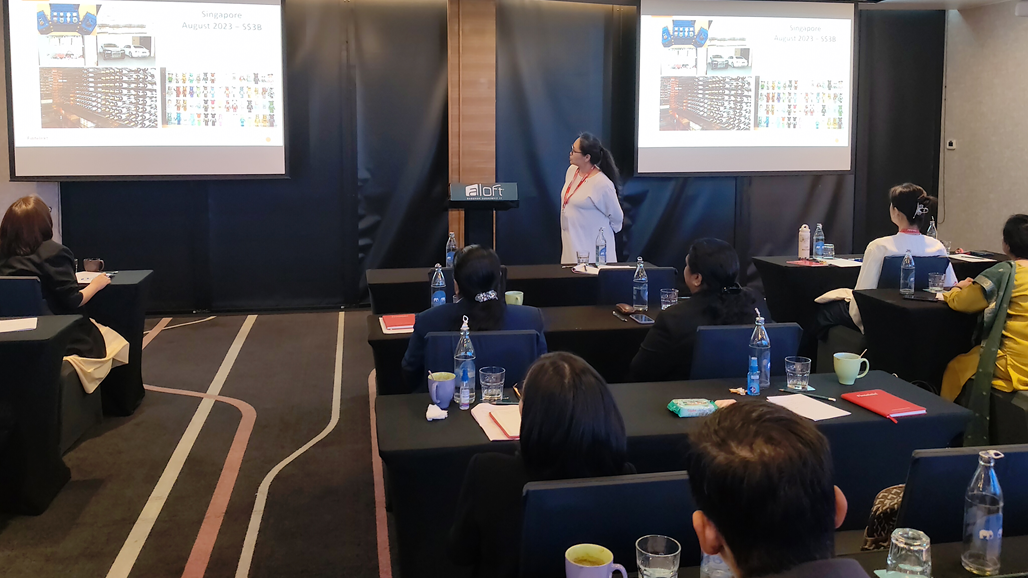
The next session by Vikas Tandon delved into the complex world of trade-based money laundering (TBML), exploring the inherent risks in trade finance and the importance of robust due diligence measures to identify suspicious activity.
He then expanded the discussion to terrorism financing, cross-border threats, and proliferation financing. He walked participants through the key stages of the terrorism financing process and the challenges faced in identifying and assessing proliferation financing risks.
The final session of the day focused on transaction monitoring, a critical component of every AML framework. Julia explained that effective monitoring begins with understanding a customer’s normal behaviour and transactional profile, which serves as the baseline for identifying unusual or suspicious activities. She also discussed the importance of calibrating monitoring systems in line with an institution’s risk appetite and ensuring that alerts are both meaningful and actionable.
She highlighted how automation, analytics, and AI are transforming monitoring processes but cautioned that technology alone cannot replace the human element. Ongoing training and exposure play a vital role in sharpening the analytical instinct and empowering compliance teams to detect and report suspicious activity with greater accuracy.
Group Work
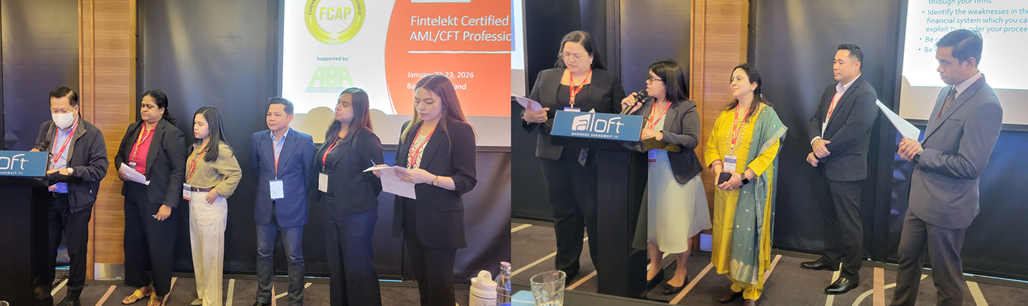
To reinforce the learning, participants engaged in a hands-on group exercise based on a transaction monitoring case study. Each group was assigned a distinct role, such as regulator, bank, technology provider, or auditor, and tasked with analysing the case from their respective perspectives.
The group leaders then presented their findings, which led to an exchange of insights and a comprehensive wrap-up by Vikas.
Participants
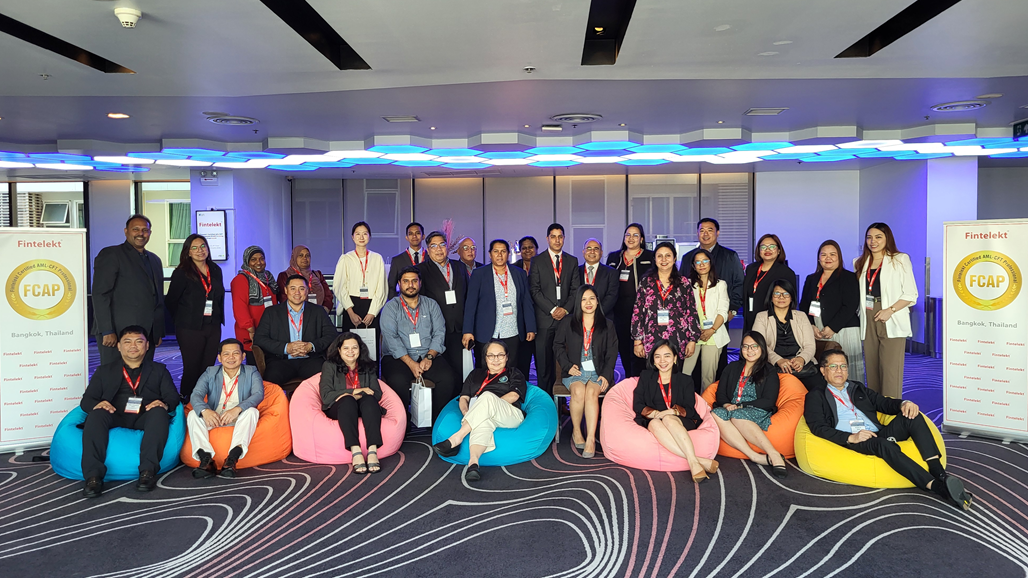
The FCAP programme in Bangkok was well attended with 24 participants from banking, fintech, casinos, regulatory and supervisory institutions across 5 countries in Asia, viz. India, Maldives, Nepal, the Philippines and Sri Lanka.
List of Participating Institutions:
- Bank of Maldives
- Bank of the Philippine Islands
- Bangko Sentral ng Pilipinas
- Commercial Bank of Ceylon
- Gavin Ventures
- Hann Resorts
- Himalayan Bank Limited
- Mastercard
- LaVie Resort and Casino
- Philippine Amusement and Gaming Corporation (PAGCOR), Philippines