I. Introduction
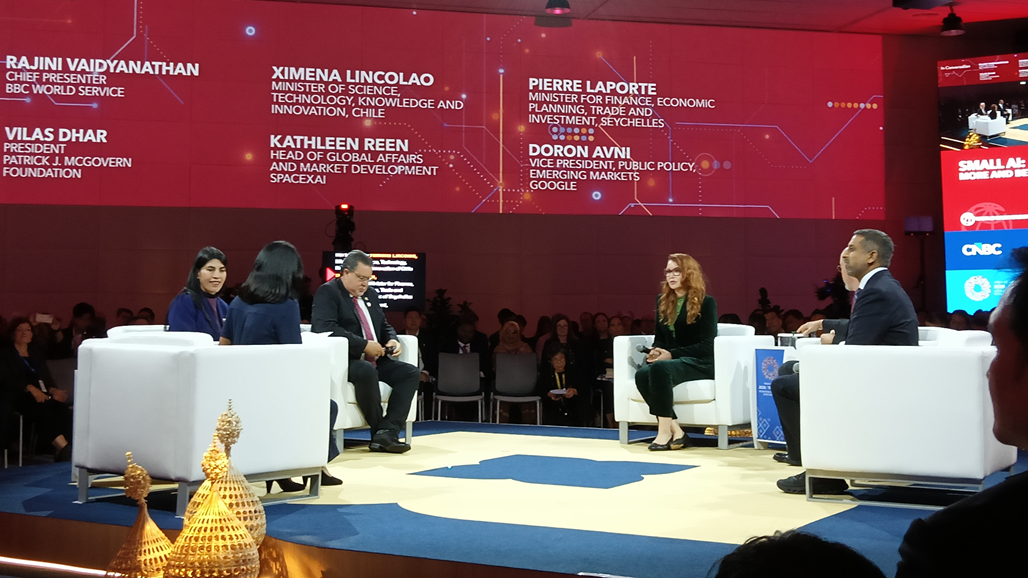
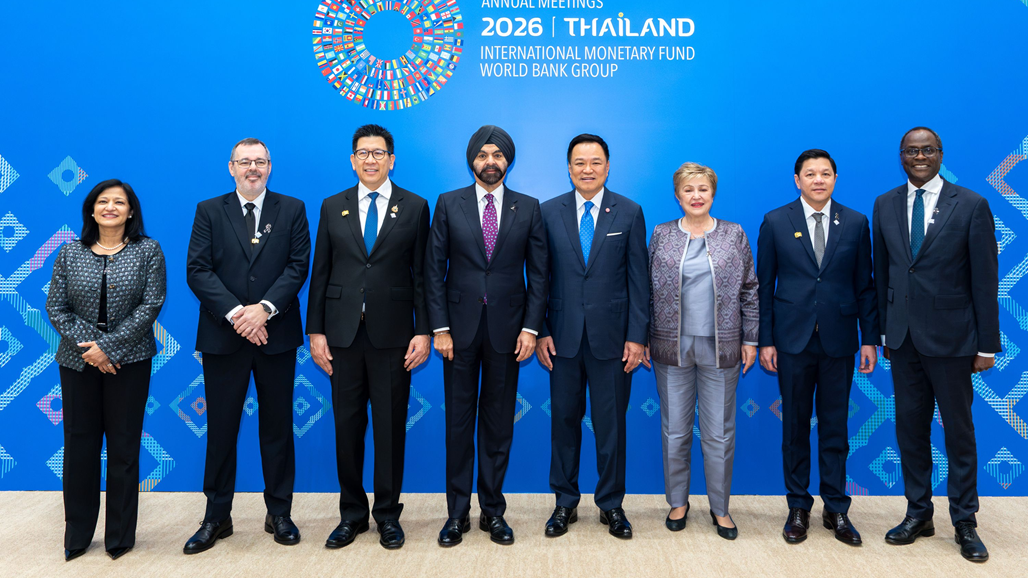
ABA Deputy Secretary Mr. Amador Honrado attended the 2026 Annual Meetings and other related ancillary meetings of the International Monetary Fund (IMF) and the World Bank Group which took place in Bangkok, Thailand from October 12 to October 18, 2026.
The Annual and Spring Meetings of the IMF and the World Bank Group each year bring together central bankers, ministers of finance and development, private sector executives, civil society representatives, and academics to discuss the state of the global economy and issues of international concern, such as the growth outlook, financial stability, and poverty reduction.
Over 10,000 people have traditionally attended the Annual and Spring in person, with this number continuing to expand as the Meetings are held in a hybrid format. Participants have included the governors themselves, their alternates, and members of their delegations, observers from other intergovernmental organizations, such as the Organization for Economic Cooperation and Development (OECD), the World Trade Organization (WTO), and representatives from financial institutions and bodies, such as the Financial Stability Board (FSB), as well as numerous journalists, academics, and representatives of civil society organizations.
As in previous years, several events took place on the side of this year’s IMF-World Bank Annual Meeting, including the following:
(1) Country group meetings: Various country groups, such as the Group of Twetyy (G-20), the Group of Tweny-Four (G-24), and the Commonwealth held ministerial-level meetings ahead of or during the Annual and Spring Meetings.
(2) Press Conferences: The Managing Director of the IMF and the President of the World Bank, as well as senior officials from the institutions, held press conferences on global and regional economic outlooks and other topical issues.
(3) High-Level Seminars and Talks: The Program of Seminars was a premier global forum where leaders in policymaking, academia, civil society, private sector, and media, among others engaged in public dialogue on the pressing global economic and financial issues of the day. In parallel, expert in-depth discussions took place as part of established talk series, such as the New Economy Forum, Analytical Corner, Capacity Development Talks, Governor Talks, and other fora.
(4) Civil Society Forum: A Civil Society Policy Forum is also held during the Annual and Spring Meetings. The forum includes policy dialogue sessions, which bring together a large number of civil society representatives from across the globe with Fund and Bank staff, government officials, and others to discuss issues of concern. For more information on the IMF and Bank’s dialogue with civil society organizations, please see IMF and Civil Society or the World Bank’s Civil Society website.
II. Meetings & Events
Meetings and events held during the six-day meeting included the following:
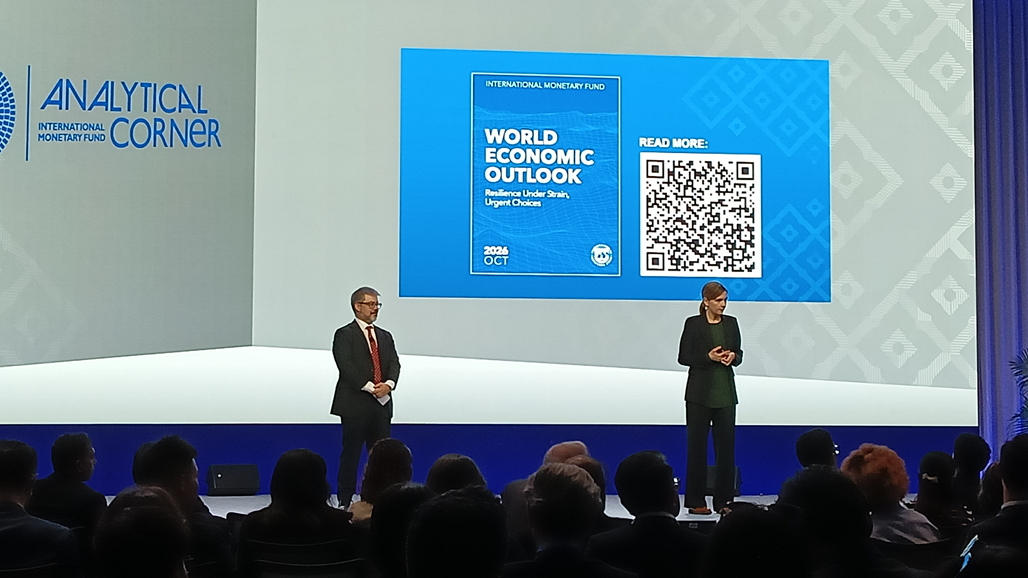
(1) Analytical Corner
Various sessions under the heading “Analytical Corner” addressed various issues such as:
(a) Labor Markets in Asia: Challenges and Opportunities in the Age of AI: Drawing on millions of online job postings from across Asia, this presentation offered some of the first evidence on how AI is reshaping labor markets in the region and raises pressing questions for policymakers about how workers and labor markets will adapt to AI-driven change.
(b) The Coming Great Repression? New Measures and a Century of Evidence: The session discussed new quantity-based indicators that measure financial repression across 17 advanced economies since 1920. It was noted that repression peaked after WWII, receded with liberalization, and had risen since the GFC, generating measurable fiscal savings.
(c) Fiscal Drivers of FDI in Low-Income Countries: This session featured panelists who shared their perspectives on how low-income countries can attract more FDI, on whether incentives matter, and how fiscal discipline and strong fiscal institutions can play a critical role in drawing foreign investment.
(d) Navigating a Shock-Prone World: Lessons from Cost-of-Living Crises: Panelists examined what happens when grocery and utility bills soar, and explores who bears the burden, why it matters, and how policy can make a difference.
(e) Mind the Gaps: Caribbean Trade Patterns and the Connectivity Constraints: Diversification strengthens resilience, but it requires connectivity. This research shows that limited shipping and air links in the Caribbean constrain trade and tourism diversification, raising transport costs and increasing vulnerability to external shocks.
(2) IMF Inspired Session
The IMF Inspired session showcased women entrepreneurs, activists, and thought leaders who have shaped conversations on social, cultural, and economic issues. Featured as Keynote Speaker of the session this year was Dr. Ayesha Khanna, AI entrepreneur, advisor, futurist, and Co-Founder and CEO of Addo. The conversation focused on how AI is transforming economies, organizations, and the future of work. The session also explored the importance of empowering women and girls in the digital age. As an early AI adopter and advocate, Dr. Khanna brought a unique perspective on the human, economic, and societal implications of AI.
(3) Thailand Special Seminar: Bangkok 1991-2026: Thailand’s Path to Resilient, Inclusive Growth
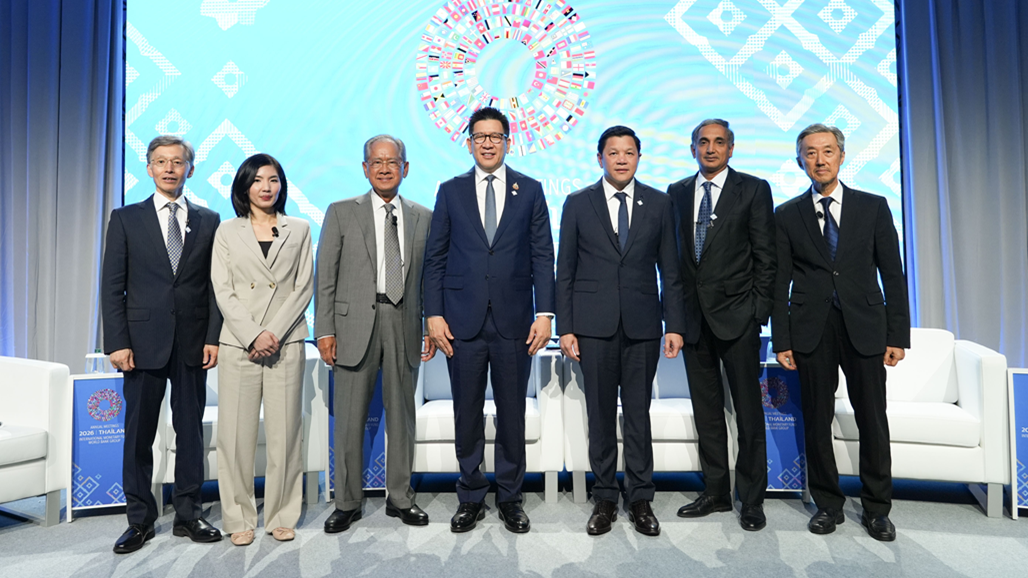
Against the background of an increasingly uncertain and fragmented global environment, the panel reflected on the policies, institutions, and reforms that have enabled Thailand to withstand repeated shocks while achieving significant economic transformation. Panelists will assess how Thailand can reinforce macroeconomic stability and boost economic growth amid structural challenges, including demographic change, climate risks, high household debt, and slowing productivity growth.
The conversation explored policy responses to external pressures such as geoeconomic fragmentation, trade disruptions, volatile energy prices, and heightened global uncertainty. Particular attention will be given to opportunities for Thailand and emerging market countries more broadly to strengthen their economies by advancing digital finance, AI adoption, and regional trade and financial integration. By highlighting Thailand’s experience, future reform priorities, and evolving role in ASEAN and the global economy, the discussion offered broader lessons for emerging market and developing economies seeking to build resilience, improve competitiveness, and achieve sustainable, inclusive growth.
III. Launching of Several IMF Publications
Several publications were launched during the meeting. These included the following:
(1) Launching of the October 2026 Global Financial Stability Report: The Report provides an assessment of the global financial system and markets, and addresses emerging market financing in a global context. It focuses on current market conditions, highlighting systemic issues that could pose a risk to financial stability and sustained market access by emerging market borrowers. The Report draws out the financial ramifications of economic imbalances highlighted by the IMF’s World Economic Outlook. It contains, as special features, analytical chapters or essays on structural or systemic issues relevant to international financial stability.
(2) Launching of the October 2026 World Economic Outlook: The full October 2026 World Economic Outlook Released on 13 October, the World Economic Outlook (WEO) is a survey of prospects and policies by the IMF staff, usually published twice a year, with updates in between. It presents analyses and projections of the world economy in the near and medium term, which are integral elements of the IMF’s surveillance of economic developments and policies in its member countries and of the global economic system.
(3) Launching of the October 2026 Fiscal Monitor Report: The Report notes that better tax design and implementation can strengthen growth while safeguarding the revenue governments need. Chapter 1 shows how tax reforms can reduce tax-induced distortions to support production, investment, innovation, and employment while preserving overall revenue. It quantifies sizable gains from restoring VAT neutrality, improving the tax treatment of investment costs, strengthening work incentives, and targeting innovation support more effectively. It also highlights how modern tax administration and clear legal frameworks can lower compliance costs, enhance firm productivity, and help ensure that well-designed reforms deliver in practice.
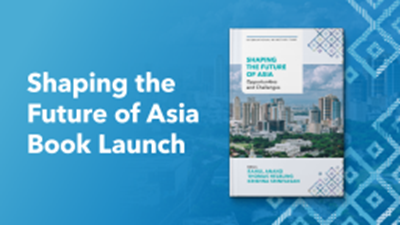 (4) Launching of the 2026 Annual Meetings flagship book on Shaping the Future of Asia: Opportunities and Challenges: The book presents policy-oriented research by staff of the IMF’s Asia and Pacific Department (APD) and other departments on key trends shaping Asia’s long-term prosperity and stability, including the demographic transition, rising protectionism and geoeconomic fragmentation, evolving patterns of trade and financial integration, technological transformation, and the energy transition. It offers analytical perspectives on how these trends may affect prospects of the Asia and Pacific region and discusses policies and reforms needed to adapt to them.
The book launching event featured a presentation of the main messages of the book and a high-level panel discussion that assesses these challenges and opportunities through a long-term lens and explores how Asia can maintain strong, inclusive, and resilient growth while adapting to a rapidly changing world.
IV. Other Sessions
Several other sessions were held during the six-day IMF-WB Meetings, including those that addressed the following issues:
(1) Mitigating Sovereign Risks in Market Access Countries
Panelists observed that market-access countries are navigating an increasingly difficult fiscal and financial environment characterized by tighter fiscal space, elevated borrowing costs, and heightened global uncertainty. Against this backdrop, the panel explored how policymakers can preserve debt sustainability and maintain market confidence while supporting economic growth and social cohesion. The discussion focused on the key ingredients of credible, growth-friendly fiscal consolidation, including the role of efficient and equitable fiscal measures, strong institutions and policy frameworks, transparency, and effective stakeholder engagement. It also examined how effective public debt management can help mitigate financing risks and strengthen resilience, including during periods of market stress.
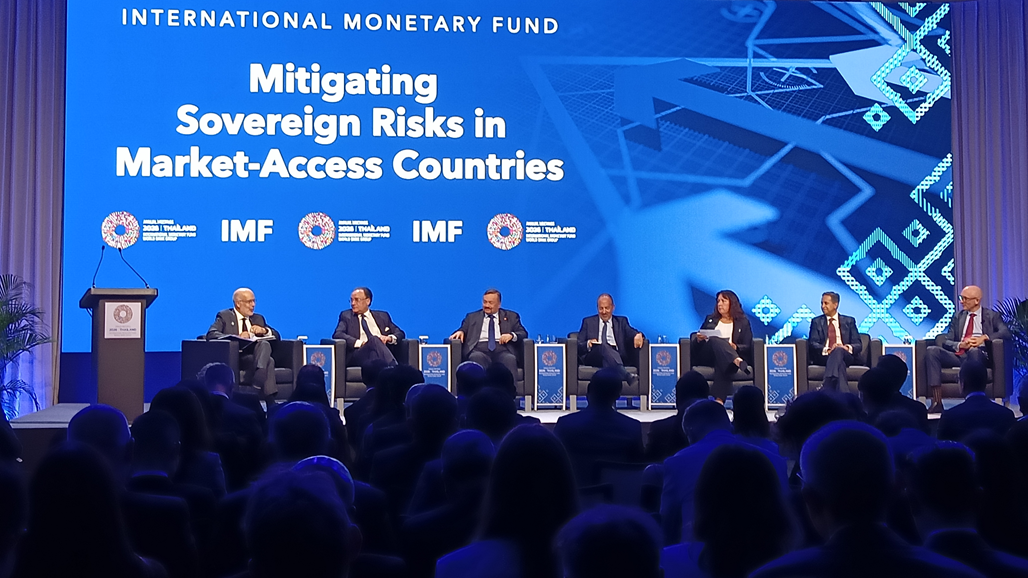
The discussion provided an opportunity to highlight the forthcoming Public Debt Management Guidelines, which are being updated to reflect changes in the sovereign financing environment since 2014, and their emphasis on sound governance, clear decision-making frameworks and institutional accountability. Drawing on country experiences, including ongoing fiscal consolidation reforms, the panel highlighted practical approaches to sustaining credibility with citizens and markets through sound fiscal policy, prudent debt management, robust governance, and clear accountability frameworks.
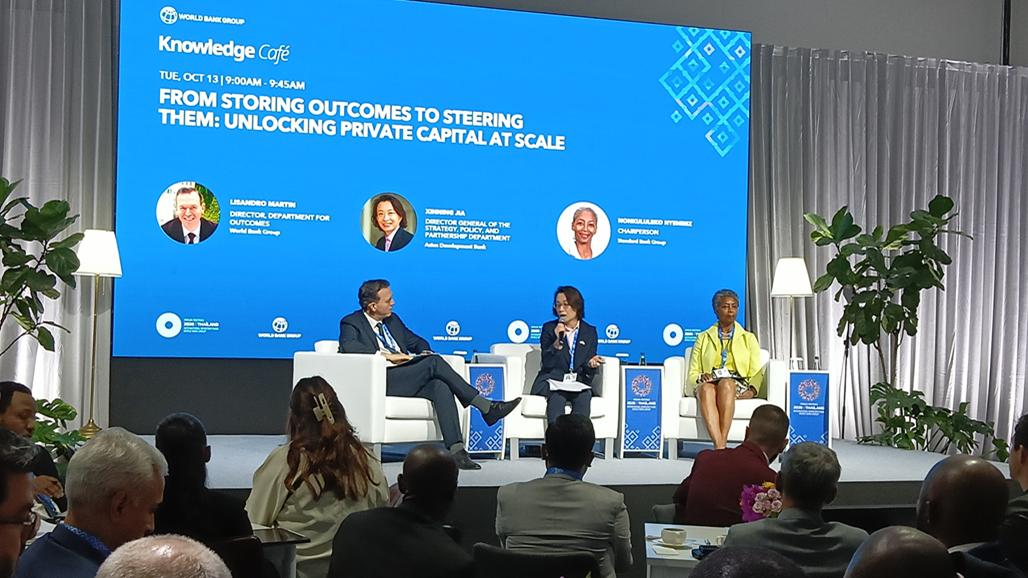
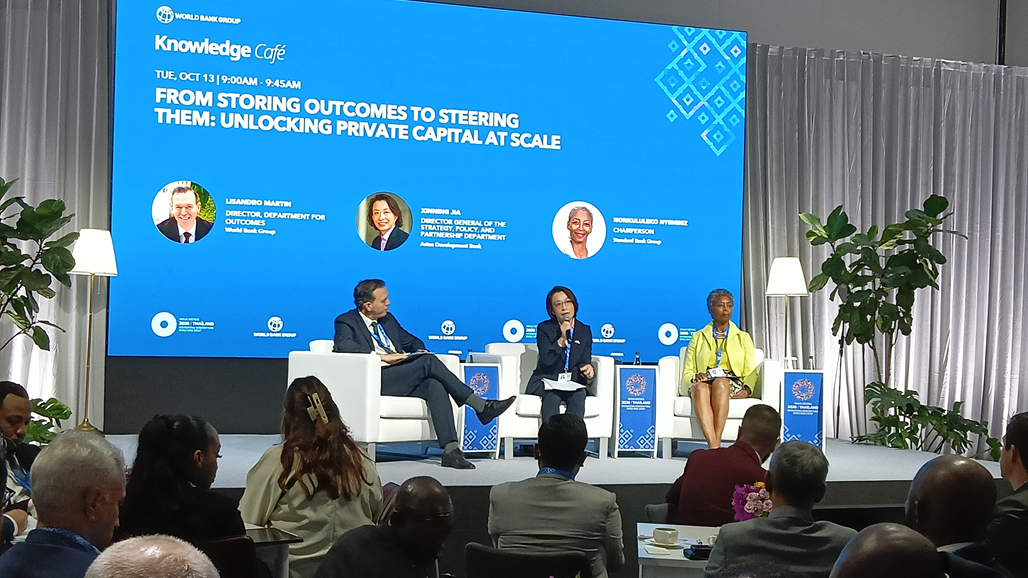
(2) From Storing Outcomes to Steering Them: Unlocking Private Capital at Scale
Invited panelists pointed out that private capital mobilization is gaining ground, but progress varies widely across sectors and markets. Drawing on WBG-wide data, cross-regional lessons, and private-sector experience, the explored where mobilization is working, where gaps remain, and how new financial instruments can shift the focus from reporting outcomes to shaping them. *
 (3) New Economy Forum Workshop: From Tax to Treasury: Building Digitally Connected Public Finance
The session explored how digital interoperability across revenue and spending agencies can be a key component of digital transformation to make fiscal operations more effective. The panelists pointed out that while digital transformation is often focused first within agencies, a broader perspective reveals tremendous opportunities, where these opportunities exist, how should they be approached, and what lessons can be learned from others. This workshop explored these issues, drawing from the experiences of practitioners that have achieved tangible, measurable results.
(4) New Economy Forum: Rethinking Taxation for the AI Era
Invited panelists agreed that artificial intelligence is reshaping economies, creating new opportunities for growth while raising questions about job displacement, rising inequality and strains on public finances. These shifts, they said, raise pressing questions about whether—and how—tax systems should adapt. Discussion addressed the questions: How and where should profit from large tech companies be taxed? What about labor versus capital taxation? And should governments impose special levies on AI such as compute, energy, or AI subscriptions? The forum further explored how taxation can raise revenue and address distributional concerns while preserving innovation, technology diffusion, and long-term fiscal sustainability.
 (5) Food Security in an Age of Shocks
This session noted that the rising food and transport costs are straining household budgets and public finances, particularly in fragile and import-dependent countries. Invited panelists discussed how to protect vulnerable households, target support effectively, and safeguard fiscal sustainability.
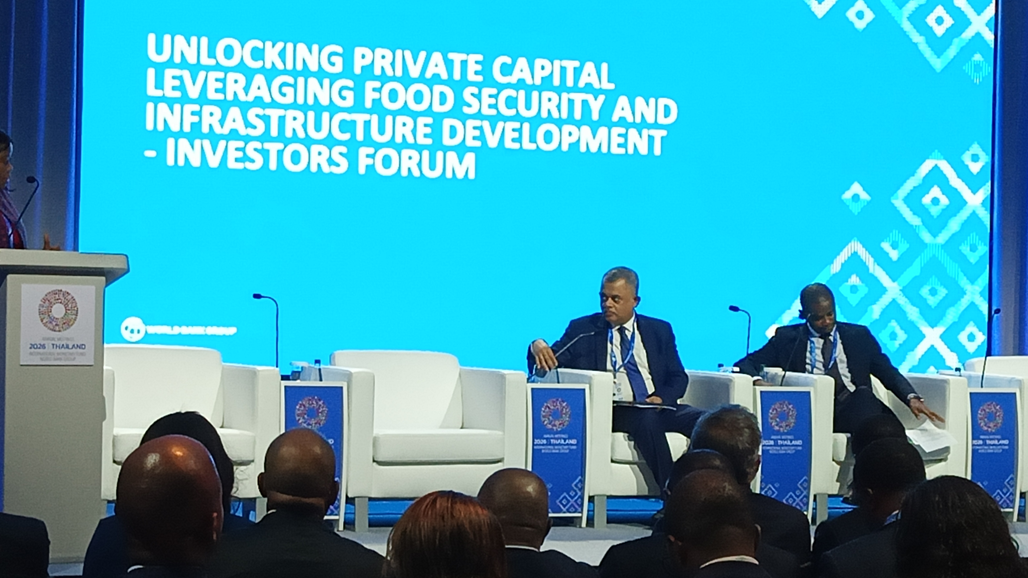
(6) Artificial Intelligence and Escalating Cyber Risks: Implications for Macroeconomic and Financial Stability
The panelists observed that as AI capabilities continue to advance rapidly, there is growing concern about their implications for cybersecurity, systemic resilience, and macroeconomic and financial stability. The panel brought together perspectives from industry, international organizations, and policymakers to explore how AI is reshaping the cyber threat landscape and what policy responses may be needed, in the context of both advanced economies and emerging markets and developing economies, to harness AI’s benefits while mitigating risks
(7) Youth Dialogue with First Deputy Managing Director
IMF First Deputy Managing Director Dan Katz held a conversation with three dynamic young leaders from across Asia on the forces shaping the region’s future—and what they mean for young people. Bringing together perspectives from business, investment, and youth leadership, the discussion explored how artificial intelligence is reshaping jobs and skills, how entrepreneurship and innovation can unlock new opportunities, and what policies can help ensure young people are equipped to navigate—and benefit from—a rapidly changing global economy.
 (8) New Economy Forum: New Trends in Financial Infrastructure: Tokenization and Agentic AI
The session pointed out that tokenization is moving rapidly from experimentation to implementation across payments, capital markets, collateral and settlement, enabling programmable, 24/7 financial infrastructure. At the same time, agentic AI is creating new opportunities—and risks—for financial institutions and market infrastructures. The session explored how tokenization and AI could reshape settlement, collateral and risk management, liquidity optimization, cross-border transactions and interoperability, while enabling more integrated, efficient and responsive financial markets.
 (9) ASEAN in a Changing Global Landscape
The high-level panel discussion addressed how ASEAN economies can sustain resilience and strengthen medium-term growth prospects in a more uncertain and fragmented global environment.
 (10) Anti-Money Laundering and Anti-Corruption Thematic Fund (AMLAC)—Broadening Capacity Development Support for IMF Members
The session stressed that safeguarding economic integrity is foundational to the IMF’s mission of promoting economic growth and stability.
It was noted that, building on the support provided to member states, the IMF is launching a new vehicle--the Anti-Money Laundering and Anti-Corruption Thematic Fund (AMLAC)—a unified capacity development platform to support member countries in tackling money laundering, terrorism financing, illicit financial flows, and corruption—key vulnerabilities with macro-critical implications. AMLAC will prioritize support to fragile, low-income, and high-risk jurisdictions, while maintaining flexibility to respond to emerging needs across all regions. Its design allows for both country-specific engagements and regional or thematic initiatives to address shared vulnerabilities and emerging risks.
 (11) Trade Diversification in Turbulent Times: Implications for Economic Stability and Growth
The session observed that global trade patterns are being reshaped by fragmentation, conflict, and uncertainty, with recent shocks exposing vulnerabilities across many economies. Strengthening resilience requires sound macroeconomic frameworks as well as reducing exposure to external shocks through greater diversification of products, markets, and trade routes.
Drawing on new analysis from the forthcoming MCD Regional Economic Outlook, the session examined how trade diversification can strengthen resilience and create new opportunities in a changing global trade landscape, while exploring the policies and trade-offs involved. The panelists highlighted practical lessons on advancing diversification and regional cooperation in an increasingly uncertain global environment.
 (12) Bangkok Blueprint for Fraud-Resilient Financial Services
The session launched the Bangkok Blueprint, a high-level framework for tackling cyber-enabled fraud through a whole-of-ecosystem approach. The Bangkok Blueprint points out that as rapid technological change amplifies risks across sectors and borders, the response must combine stronger coordination, international collaboration, and preventive measures, including advanced technologies and systems, to reduce vulnerabilities and strengthen financial resilience. Building on progress by standard-setting bodies and responding to IMF members’ calls for a more comprehensive, prioritized approach, the IMF and World Bank, in partnership with the Bank of Thailand, developed the 12 Key Considerations to guide policy alignment, global dialogue, and future action.
 (13) Governor Talks: Korea's Monetary Policy Challenges in the Context of the Combination of the AI Upcycle and Conflict in the Middle East
Governor Shin Hyun-Song of the Bank of Korea spoke about Asia and Korea’s policy challenges amid various forces shaping the global and regional outlook including related to the combination of the global AI upcycle and the uncertainty from the conflict in the Middle East. In particular, he discussed how the Bank of Korea is balancing policy tradeoffs related to its commitment to low inflation, exchange rate flexibility and financial sector stability in this uncertain global context.
(14) Governor Talks: Beyond Inflation: Europe's Policy Challenges in a Changing World
The panelists - Mateusz Szczurek, Director of the IMF European Department, and Emmanuel Moulin, Governor of the Banque de France - noted that Europe's economic challenges are becoming increasingly complex in an environment marked by subdued growth, rising fiscal pressures, geopolitical fragmentation, and rapid technological change. Inflation has returned amid high and volatile energy prices. How policymakers meet these forces will have a lasting impact on Europe’s economic future—and central banks are playing a central role.
The speakers shared their views on how to best address these economic challenges. The discussion touched on the outlook for inflation, the implications for ECB policy, and the broader lessons policymakers can draw from recent inflation episodes. Beyond monetary policy, the conversation explored Europe's progress toward deeper economic integration, the fiscal challenges facing European economies, and the role of structural reforms in strengthening productivity, competitiveness, and long-term prosperity.
(15) Governor Talks: Venezuela Redux: From Crisis Management to Restoring Hope
The session pointed out that Venezuela is at a pivotal juncture. After economic collapse, isolation, hyperinflation, and despite devastating earthquakes, the country is recovering. Growth resumed in 2020, supported by rising oil production and tighter economic policies. Foreign exchange inflows are increasing. Transforming the fragile recovery into sustained and inclusive growth while tackling persistently high inflation, unsustainable debt, and very limited financing are major challenges.
In this session, Calixto Ortega, Vice President for the Economy and Governor of the IMF, shared his perspective on Venezuela’s economic transformation and the policy priorities shaping its future. Drawing on broad policymaking experience that includes periods in the oil and financial sectors and as Central Bank President, he discussed efforts to restore macroeconomic stability, attract investment, strengthen institutions, and harness Venezuela’s vast natural and human resources to generate lasting prosperity.
The conversation explored how Venezuela can leave behind years of crisis, unlock its economic potential, and build the foundations for durable growth. It also addressed the role of economic reforms, international engagement, and private sector development in supporting the country’s long-term recovery.
(16) Governor Talks: Central Banking in a Changing World: Perspectives from the National Bank of Georgia
Natia Turnava, Governor of the National Bank of Georgia, pointed out that central banks are operating in an increasingly complex environment shaped by rapid technological change, heightened global uncertainty, and evolving financial systems. These developments are creating new opportunities while requiring policymakers to continually adapt their policy frameworks and operational tools to preserve macroeconomic and financial stability.
Governor Turnava shared her perspectives on the evolving role of central banks in navigating an increasingly complex global environment. Drawing on Georgia's experience, the discussion touched on a range of issues, including monetary and financial stability, financial innovation, digital finance, payment systems, and the implications of evolving patterns of global and regional economic integration. The conversation provided an opportunity to reflect on how central banks are adapting to a rapidly changing environment while supporting sustainable economic development.
 (17) Pathways to Resilience: Success Stories in Reform and Partnership
The session addressed the question of how can countries build resilience amid overlapping shocks, transformative change, and diminished buffers. It brought together senior policymakers from advanced, emerging, and developing economies to share successful reform stories. Panelists explored what sparked meaningful change, sustained implementation, strengthened institutions, and helped overcome political economy challenges.
The discussion highlighted the importance of policy sequencing, country ownership, and effective partnerships, including lessons from IMF surveillance, IMF-supported programs, and capacity development. Through policymakers’ firsthand experiences, the session showed how timely reforms, strong frameworks, and agile international support can foster more resilient, stable, and dynamic economies over time.
(18) New Economy Forum: Rethinking Taxation for the AI Era
The session observed that artificial intelligence is reshaping economies, creating new opportunities for growth while raising questions about job displacement, rising inequality and strains on public finances. These shifts raise pressing questions about whether—and how—tax systems should adapt. How and where should profit from large tech companies be taxed? What about labor versus capital taxation? And should governments impose special levies on AI such as compute, energy, or AI subscriptions? This forum explored how taxation can raise revenue and address distributional concerns while preserving innovation, technology diffusion, and long-term fiscal sustainability.
 (19) Technology for Prosperity in Emerging and Developing Economies
The panelists agreed that new technologies offer a transformative—though unevenly shared—opportunity to lift productivity, strengthen growth, and accelerate diversification in emerging and developing economies. The question is no longer whether these technologies will matter, but whether countries can build the foundations to turn them into engines of prosperity, resilience, and convergence. The panelists examined how countries can harness technology's potential equitably while managing its risks.
 (20) How Central Banks Decide—Committee Decision-Making and Communication in an Era of Uncertainty
The conversation noted that monetary policy decisions are made in an increasingly complex and uncertain environment, underlining the importance of how central bank committees deliberate, reach decisions, and communicate with the public. Committee structures vary widely across institutions. Some rely on large policymaking bodies representing regional interests, while others operate through smaller committees. Some emphasize consensus, while others are designed to surface a divergence of views. Central banks also differ in the role accorded to staff, the influence of the chair, and the degree of transparency around deliberations, forecasts, and votes.
Moderated by the First Deputy Managing Director, Dan Katz, the session brought together leading central bankers to compare different approaches to committee governance and communication. The discussion explored how institutional design shapes decision-making, how committees balance diversity of views with coherent policy signals, and what lessons can be drawn for effective monetary policy communication in an increasingly uncertain world.
 (21) Building Fiscal Resilience in a Shock Prone World
The panelists pointed out that with debt rising and aid falling, countries need fiscal space to deliver economic growth. Mobilizing domestic resources, good public finance management and spending efficiently are critical, especially for developing and more vulnerable economies. However, governments need institutional capacity, know-how, and experience to improve their public finances.
The session demonstrate how IMF fiscal capacity development helps member states, especially the most vulnerable ones, delivering impactful results in resource mobilization and better spending. The Global Public Finance Partnership (GPFP), the IMF’s flagship vehicle for fiscal capacity development work, pulls resources together to back the country support and maximizes impact for both beneficiaries and donor partners. This work is increasingly important in today’s shock-prone world, and the IMF remains agile and flexible in responding to countries’ needs.
(22) From Security to Prosperity: The Macroeconomic Case for Commodity Security
The discussion pointed out that commodity security has become a core macroeconomic challenge. As recent shocks have exposed vulnerabilities in global supply chains, governments and businesses alike are seeking ways to improve resilience while preserving the benefits of openness and international cooperation. The session explored how secure and diversified commodity supply chains can support investment, strengthen competitiveness, and turn resilience into a source of sustainable growth.
 (23) Debate on the Global Economy: Forging Resilient and Dynamic Economies for the Future
The session noted that the global economy has again proven resilient. Yet that resilience is increasingly being tested by dwindling policy buffers, elevated debt, persistent inflation pressures, and widening divergences across countries. Two competing forces—geopolitical developments and the AI-driven technology cycle —are reshaping the global economy. Together with profound demographic and trade shifts and persistent imbalances, these crosscurrents are reconfiguring the global landscape and raising important questions about the path ahead. As policymakers navigate near-term disruptions, they must also lay the foundations for stronger, balanced and inclusive medium-term growth.
The discussion explored how countries can build resilient and dynamic economies in an increasingly fragmented and uneven global landscape. The panelists used resilience as the common thread across the three segments: how economies, firms, and institutions can preserve stability and withstand recurrent shocks despite more limited policy space; how they can sustain balanced growth amid widening global divergences; and how they can harness AI, innovation, and productivity-enhancing reforms to expand opportunity and growth.
 (24) AI and the Global Economy: From Risk to Opportunity
The session observed that wrtificial intelligence is moving rapidly from technological promise to economic reality, transforming how businesses operate, how goods and services are produced and delivered, and how people learn and work. As AI adoption accelerates, policymakers and business leaders face critical questions about productivity, growth, labor markets, financial stability, public policy, and economic resilience. \
Drawing on recent and forthcoming IMF research, the session explored how countries can harness the benefits of AI while managing its economic, financial and social risks. Bringing together leaders from government, central banking, global business, and the forefront of AI innovation, the discussion will examine how AI is reshaping industries, global value chains and labor markets, influencing investment, productivity and competitiveness, and creating new opportunities for growth and development.
Panelists explored how businesses are deploying AI to improve efficiency, strengthen resilience, and unlock new opportunities, while considering the challenges associated with technological disruption, market concentration, and cyber and financial stability risks. They also examined the policies needed to foster innovation, equip workers with the skills needed for an AI-driven economy, safeguard economic and financial stability, and ensure that the gains from AI are widely shared. Particular attention was given to the opportunities and challenges facing Asia-Pacific economies as they accelerate digital transformation and navigate the transition to an AI-driven future.
 (25) AI & Cyber Risks
The session noted that as AI capabilities continue to advance rapidly, there is growing concern about their implications for cybersecurity, systemic resilience, and macroeconomic and financial stability. The panel brought together perspectives from industry, international organizations, and policymakers to explore how AI is reshaping the cyber threat landscape and what policy responses may be needed, in the context of both advanced economies and emerging markets and developing economies, to harness AI’s benefits while mitigating risks.
(26) Future of Financial Stability Assessments: Strengthening Agility, Focus, and Impact
The session pointed out that over two decades after its launch, the Financial Sector Assessment Program (FSAP) remains the IMF's flagship instrument for assessing risks to financial stability and helping countries identify supervisory and regulatory policies to guard against these risks, and crisis management policies if the risks materialize. Financial systems have become more interconnected, nonbank financial institutions have grown significantly in importance, and digitalization is transforming the provision of financial services. In response to these changes, the 2026 FSAP Review introduces a series of reforms to the FSAP designed to ensure that the program remains agile, focused, and impactful in a rapidly evolving financial landscape. These reforms include a more risk-based and tailored approach to assessments, greater attention to system-wide risks and emerging vulnerabilities, more actionable recommendations, and a more efficient and transparent assessment framework.
 The session served as the public-facing launchpad for the Review, drawing a clear link between the changing nature of financial stability risks and the reforms adopted under the 2026 FSAP Review. Through a discussion with the lead author of the Review and a senior policy official, the event explored why the Review was needed, what has changed, and how the reforms will help countries better identify risks, strengthen resilience, and support financial stability in an increasingly interconnected world. The discussion complemented the broader modernization agenda reflected in the 2026 Comprehensive Surveillance Review (CSR), while focusing specifically on the future of financial sector surveillance and the evolving role of the FSAP.
(27) Per Jacobsson Foundation Lecture
Anthropic co-founder Jack Clark delivered this year’s Per Jacobsson Foundation lecture titled “Inside the Event Horizon: Why Everyone Should Take AI Progress Seriously”. He described the next few years of AI progress and the vast, wide-ranging changes it could bring to the economy and daily life. He noted that it will directly confront economic questions implied by the continued pace of AI progress, including significant changes in the rate of scientific discovery, advancements in robotics, the autonomy and economic impact of machine-driven businesses, and perhaps the capabilities of AI systems to contribute to their own production in a process of “recursive self-improvement”.
 (28) Capacity Development Talk: Leveraging Technology to Strengthen Public Financial Management in South Asia
Strengthening Public Financial Management (PFM) remains one of the pillars of building economic stability and growth in South Asian countries. Considerable advances have been made in the digitalization of public financial management that have improved the administration of public safety nets, service delivery and more effective cash and debt management. This event will discuss recent progress in the region and how the IMF’s South Asia Regional Training and Technical Assistance Center (SARTTAC) has been providing capacity development aimed at leveraging technology to strengthen PFM.
(29) Capacity Development Talk: Better Data, Better Decisions: How Statistical Innovation is Reshaping the Foundations of Policymaking
The session observed that in an era of rapid change and increasingly complex global challenges, timely and high-quality data are essential for effective policymaking. Yet, traditional statistical systems can struggle to keep pace with the speed and complexity of today’s policy demands. The discussion explored how innovation and emerging technologies are transforming the way macroeconomic statistics are compiled and disseminated, and what this means for better-informed policy decisions.
It was pointed out that drawing on decades of capacity development experience, the IMF supports member countries in strengthening statistical institutions, modernizing data production, and expanding the use of new tools and data sources. Through the Data for Decisions (D4D) Fund, the IMF works with development partners to advance statistical modernization, help countries build resilient data systems, and meet the evolving needs of policymakers and the public.
 (30) Africa's Golden Future
The High-Level Discussion brought together senior policymakers, representatives of regional and international institutions, and private sector leaders to explore how structural reforms and deeper trade integration, including through accelerated AfCFTA implementation, can attract investment, unlock Africa’s immense growth potential, and create jobs for its rapidly growing youth population. The discussion drew on country and regional experiences.
 (31) New Economy Forum Workshop: From Tax to Treasury: Building Digitally Connected Public Finance
The session explored how digital interoperability across revenue and spending agencies can be a key component of digital transformation to make fiscal operations more effective. It was noted that while digital transformation is often focused first within agencies, a broader perspective reveals tremendous opportunities. Where do opportunities exist? How should they be approached, and what lessons can be learned from others? The session explored these issues, drawing from the experiences of practitioners that have achieved tangible, measurable results.
(32) Knowledge Café - Can the Private Sector Accelerate Human Development?
Panelists observed that across education, health, and skills, private providers already play a central role, yet evidence on outcomes is often contested. This interactive session weighed new research on what works, examines which policies and regulations matter most, and asks how governments and private providers can deliver better together.
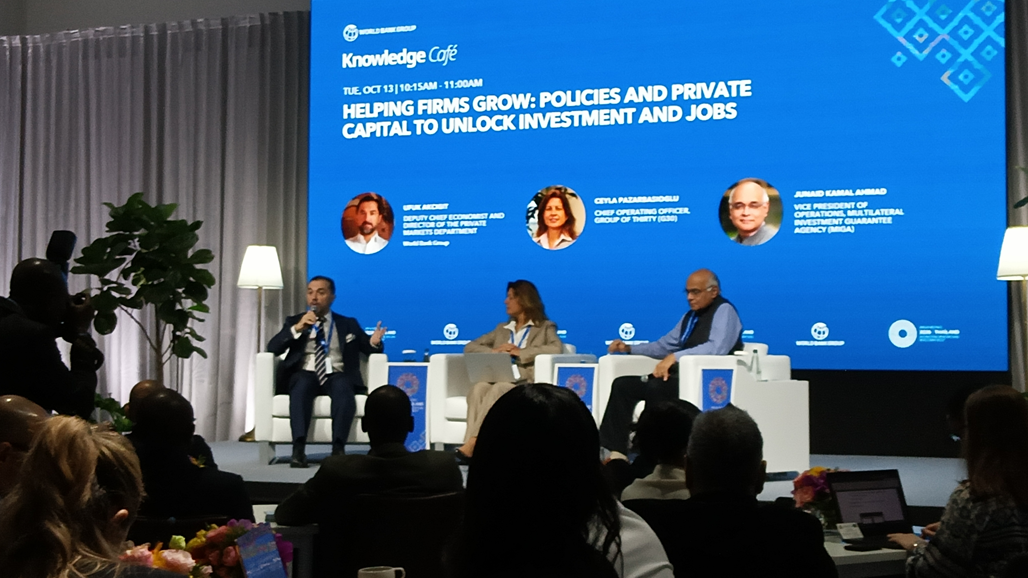
(33) Investing in AI for Impact: How Venture Capital and Startups Are Driving Innovations Across Emerging Markets
The session explored how entrepreneurs, startups, and small businesses are leveraging AI to drive productivity, expand access to services, create jobs, and accelerate economic development across emerging markets. Panelists composed of founders and startups at the forefront of innovation shared firsthand experiences building and scaling AI-enabled businesses across sectors including finance, healthcare, and digital infrastructure. The session also explored the role of private capital in advancing responsible AI adoption, addressing skills and talent constraints, and ensuring that the benefits of AI reach small businesses and underserved populations at scale
(34) From Ideas to Impact: CGAP’s Financial Literacy Solutions Sprint
The session showcased winning solutions from the Financial Literacy Solutions Sprint, an initiative designed to identify and accelerate innovative, technology-enabled approaches to strengthening financial literacy and capability. The winning teams took the stage to showcase their solutions, share their journeys through the Sprint, and demonstrate how they are helping people make better financial decisions. The showcase was be followed by a conversation with World Bank Group leaders and the winning teams on what it takes to move promising innovations from idea to impact and reach people at scale.
 (35) How Central Banks Decide—Committee Decision-Making and Communication in an Era of Uncertainty
Session panelists pointed out that monetary policy decisions are made in an increasingly complex and uncertain environment, underlining the importance of how central bank committees deliberate, reach decisions, and communicate with the public. Committee structures vary widely across institutions. Some rely on large policymaking bodies representing regional interests, while others operate through smaller committees. Some emphasize consensus, while others are designed to surface a divergence of views.
The session further noted that central banks also differ in the role accorded to staff, the influence of the chair, and the degree of transparency around deliberations, forecasts, and votes. Moderated by the First Deputy Managing Director, Dan Katz, the seminar brought together leading central bankers to compare different approaches to committee governance and communication. The discussion explored how institutional design shapes decision-making, how committees balance diversity of views with coherent policy signals, and what lessons can be drawn for effective monetary policy communication in an increasingly uncertain world.
(36) Knowledge Café - Creating a Virtuous Circle for Capital: Tools to Strengthen Tax and Mining Policy
The dialogue agreed thatpPrivate capital moves at the speed of trust. Transparent rules, responsible conduct, and effective public-private collaboration can create a virtuous circle that attracts investment and strengthens public revenues. Through practical examples of scalable knowledge tools that support tax, mining, and business climate reforms, the discussion explored what it takes to build such trust and create a sound enabling environment for investment.
 (37) Debate on the Global Economy: Forging Resilient and Dynamic Economies for the Future
The session dialogue noted that the global economy has again proven resilient. Yet that resilience is increasingly being tested by dwindling policy buffers, elevated debt, persistent inflation pressures, and widening divergences across countries. Two competing forces—geopolitical developments and the AI-driven technology cycle —are reshaping the global economy. Together with profound demographic and trade shifts and persistent imbalances, these crosscurrents are reconfiguring the global landscape and raising important questions about the path ahead. As policymakers navigate near-term disruptions, they must also lay the foundations for stronger, balanced and inclusive medium-term growth.
Against this backdrop, the panelists explored how countries can build resilient and dynamic economies in an increasingly fragmented and uneven global landscape. The discussion used resilience as the common thread across the three segments: how economies, firms, and institutions can preserve stability and withstand recurrent shocks despite more limited policy space; how they can sustain balanced growth amid widening global divergences; and how they can harness AI, innovation, and productivity-enhancing reforms to expand opportunity and growth.
 (38) New Economy Forum Workshop: Digital-by-Design: Beyond Technology-Led Digital Reforms
The interactive workshop, facilitated by the IMF Creative Lab, invited participants to explore an approach to digital transformation that combines strategic design, behavioral insights, and systems thinking to strengthen the effectiveness of digital public infrastructure and payment ecosystems. Digital-by-Design places policy objectives, user needs, and institutional outcomes at the center of reform efforts, challenging technology-first approaches that often prioritize infrastructure and platforms while overlooking the processes, incentives, governance arrangements, and human behaviors that ultimately determine success.
Designed for policymakers, central bankers, payment system operators, government agencies, financial sector stakeholders, and development partners, the session moved from concept to practice through a structured exercise. Participants identified where existing practices create friction, fragmentation, or accountability gaps, and explore how digital tools, data standards, governance arrangements, and process redesign can work together to strengthen efficiency, resilience, inclusion, and development outcomes.
(39) Knowledge Café - Mobilizing Local-Currency Capital for Infrastructure
The session discussion underscored that vast infrastructure and housing financing gaps persist in EMDE local currency markets, as private lenders require credible credit-risk enhancement with sovereign participation. Pioneering programs show how well-structured vehicles with a layered capital stack and participation by governments and development partners can de-risk investment and have high catalytic effect to mobilize private investment at scale, lowering sovereign contingent liabilities.
(40) Adapting to a Changing World: How Is the IMF Helping Countries Navigate New Pressures?
The session pointed out that in a fast-changing and uncertain world, IMF members face difficult choices in preserving stability and sustaining growth amid successive shocks, eroded policy buffers, rising vulnerabilities, and powerful structural transformations.
Invited panelists examined how five major 2026 institutional reviews are adapting the Fund’s policy toolkit to members’ evolving needs: the Comprehensive Surveillance Review; the Review of Program Design and Conditionality; the Financial Sector Assessment Program Review; the joint IMF–World Bank Low-Income Country Debt Sustainability Framework Review; and the Review of the External Balance Assessment Methodology. Together, they aim to sharpen risk identification and management, deepen understanding of macro-financial linkages, strengthen policy frameworks tailored to country circumstances, and make Fund engagement more agile and responsive.
Bringing together the IMF’s institutional perspective, policymaking experience, and academic insights, the discussion focused on what these reforms mean in practice for Fund membership.
(41) Working Together to Make Cities Investable – Mobilizing Private Capital for Urban and Water Infrastructure
German Federal Minister Reem Alabali Radovan open edthe session, followed by a keynote from Dr. Nirmala Sitharaman, Union Finance Minister, Republic of India. A panel discussion discussed what effective collaboration among governments, cities, and development partners requires in practice. Panelists spotlighted India's ambitious urban programs as a powerful example of what stronger coordination can deliver. The discussion drew on this experience to explore how private capital can be unlocked at scale for urban infrastructure, including water and sanitation.
(42) Knowledge Café - Catalytic Equity: A Force Multiplier in Frontier Markets
Invited panelists noted that catalytic equity offers a real opportunity to unlock private investment in frontier markets, but private investors rarely move first without protection against early losses. During the session, industry leaders shared practical lessons from the Frontier Opportunities Fund on how catalytic equity mobilizes capital, creates jobs, and strengthens the investment ecosystems these markets need to grow.
(43) Health Works: Private Capital, Public Good
The session addressed issues from vaccine and supply chain security to strengthening primary health care systems, and the transformative potential of digital technologies and artificial intelligence in health service delivery. Participants examined the policies, partnerships, financing mechanisms, and investment opportunities needed to translate ambition into measurable results and support government agendas. Drawing on experiences from private capital mobilization, multilateral and global health financing, and country-led reform efforts, speakers explored how to structure investments that deliver both development impact and sustainable returns, while accelerating progress toward ensuring that 1.5 billion people have access to quality, affordable health services
(44) Knowledge Café - One Agent, Thousands of Farmers: Can Small AI Close the Advice Gap?
Invited panelists observed that most farmers in developing economies never reach an extension agent, leaving advice scarce and costly to deliver. Early deployments of "Small AI in a Box" show how digital advisory tools can reach farmers and agribusinesses affordably, opening scalable models for investment and inclusive rural employment.
(45) Knowledge Café - Pension Fund Reforms and Investment Strategies for Domestic Investments
The session underscored that pension funds hold vast pools of largely untapped long-term capital that could be invested in EMDE local currency assets critical for economic growth and job creation, including MSMEs, infrastructure and housing. Recent pension fund reforms, coupled with innovative investment strategies and instruments show how well-designed frameworks can unlock domestic institutional capital and mobilize long-term private capital at scale on a sustainable basis
 (46) Press Briefing: Fiscal Monitor
The discussion pointed out that global public debt rose to 94 percent of GDP in 2025 and is set to reach 100 percent by 2029. This accumulation is driven largely by the world’s major economies. Public finances are under strain from mounting spending pressures—on social needs, defense, and strategic autonomy—and rising interest burdens. The fiscal consequences of the Middle East conflict add further to these fragilities. Structural shifts in sovereign debt markets—including the growing role of leveraged nonbank intermediaries and erosion of the US Treasury’s safety premium—are amplifying vulnerability to repricing. Credible, well-sequenced fiscal adjustment is urgently needed across all country groups.
v. Sessions with Civil Society Organizations
 In addition, the IMF also organized various sessions with Civil Society Organizations (CSOs). Parliamentarians, Think-Tanks, and youth leaders aimed at engaging them through information sharing, dialogue, and consultation at both the global and national level, focusing on:
- The Political Economy Evaluation: The Politics of Successful Economic Reform in Fragile and Conflict-Affected States
- Following the Money: Beneficial Ownership Transparency for Financial Integrity and Competitive Markets in Southeast Asia
- Beyond Disclosure: Making Fiscal Governance Work for People in Asia and Pacific
- Regional Integration Agendas: Tax and Trade Cooperation in an Uncertain Global Economy
- The 3-Pillar Approach Turns Two Assessing the IMF-World Bank Response to Debt Liquidity Challenges
- Whose Buffers? New Global Evidence on Fiscal Austerity, the Cost of Adjustment and Rearmament
- Making Adaptation Count in Debt Sustainability Analysis: Lessons for the LIC-DSF Review
- Rethinking IMF Surveillance and Lending in an Era of Overlapping Shocks
- Debt Governance 2.0: Governing Risk Beyond the Debt Perimeter
- Rethinking the Impossible Trinity: Managing Financial Openness in the Global South
- Closing the Gap: Designing and Financing Social Protection Systems for the Most Impacted, Vulnerable Groups