
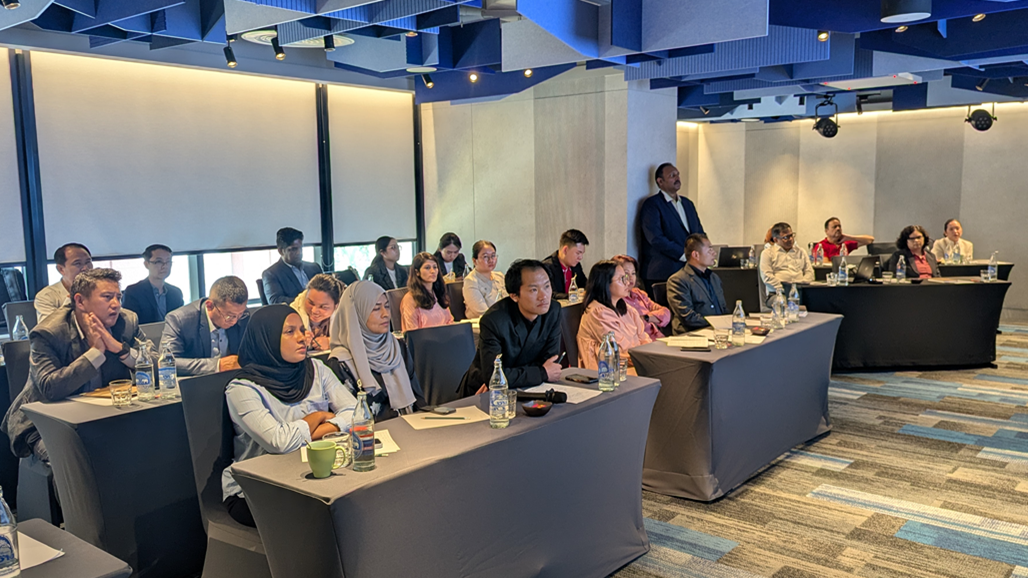
The two-day in-person Regional Workshop jointly organized by Fintelekt Advisory Services and the Asian Bankers Association on Fraud Management: Dealing with Scam Centres, Mule Accounts and Virtual Assets, in Bangkok on 11-12 June 2026, was crafted as a practical, expert-led forum focused on emerging fraud and financial crime risks.
Bringing together leading specialists at the forefront of fraud risk management, digital finance, and financial crime prevention, the workshop aimed to enhance participants’ understanding of the evolving fraud landscape, including organised scam networks, mule accounts, digital payment fraud, social engineering, and virtual asset-related risks. It also aimed to provide insights into identifying gaps in fraud controls and governance frameworks, while strengthening institutional capabilities for fraud detection, investigation, response, and collaboration.
The workshop was attended by 24 delegates that represented banking, fintech, insurance, regulatory, and supervisory institutions from across Asia, viz., Bhutan, India, Lao PDR, Maldives, Nepal, the Philippines, Sri Lanka, and Thailand.
Opening Session
Shirish Pathak, Managing Director at Fintelekt, welcomed the participants and introduced Fintelekt and its mission to bring together all the stakeholders of the industry to fight financial crime with continuous learning. He explained that the regional workshop was organised in response to the rapidly evolving fraud landscape, particularly the proliferation of scam centres and the growing impact of fraud on victims across the region. The program intended to bring together speakers and professionals from various sectors to have impactful conversations and learning to strengthen the anti-fraud frameworks in organisations and countries.
Mig Moreno, Deputy Secretary-Treasurer, Asian Bankers Association, underscored the importance of continuous learning in an ever-evolving financial crime landscape. He spoke of the role of the Asian Bankers Association in fostering collaboration among bankers and financial professionals across Asia, enabling collective progress on issues of strategic importance such as fraud and scams.
Workshop Day 1
Risk Landscape: Trends, Typologies and Gaps in Controls
Day One of the workshop focused on understanding the evolving fraud risk landscape, examining emerging trends, typologies, and vulnerabilities across the financial sector. Through sessions on scam centres, transnational organised crime, crypto-enabled fraud, virtual asset risks, FRAML integration, and mule account networks, participants gained insights into the interconnected nature of modern fraud ecosystems and the gaps that institutions must address. The programme also included a practical group exercise on briefing senior management on fraud risks, encouraging participants to translate emerging threats into strategic and governance considerations.
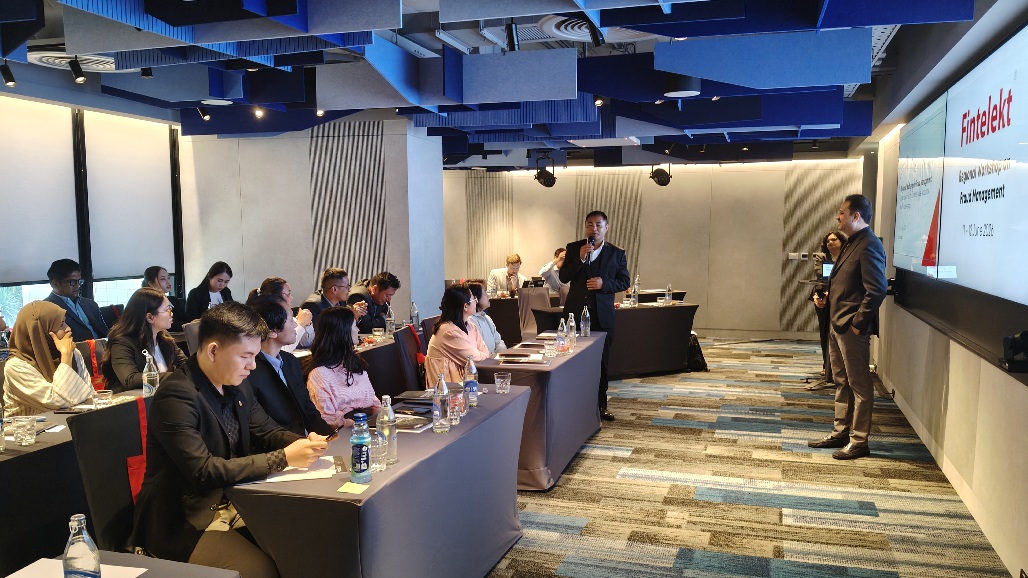
Session 1: Overview of the Fraud Landscape – Trends, Risks and Regulatory Focus
The opening session of day one of the workshop was conducted by Arpita Bedekar, Chief Operating Officer, Fintelekt, and provided a comprehensive overview of the rapidly evolving fraud landscape and its growing implications for financial institutions, regulators, and society. Drawing on global and regional trends, she highlighted the significant rise in digital fraud, scams, and technology-enabled financial crime, particularly across Asia’s increasingly digitalised economies.
The session examined the key drivers of fraud, including instant payments, technological innovation, economic pressures, and the growing interconnectedness of financial ecosystems. Arpita also emphasised the convergence of fraud with money laundering, mule account networks, cybercrime, virtual assets, human trafficking, and organised crime, underscoring the need for a more integrated approach to financial crime risk management. The session concluded by outlining the expectations on financial institutions to move beyond reactive responses and adopt proactive, intelligence-led strategies centred on prevention, real-time detection, effective response mechanisms, and greater collaboration across sectors and jurisdictions.
Session 2: Scam Centres and Transnational Crime
The second session featured Ryan Winch, Programme Manager, Transnational Crime and Technology, Regional Support Office of the Bali Process. Ryan provided valuable insights into the evolving threat of cyber-scam centres and the financial crime ecosystems that enable them to operate at a global scale.
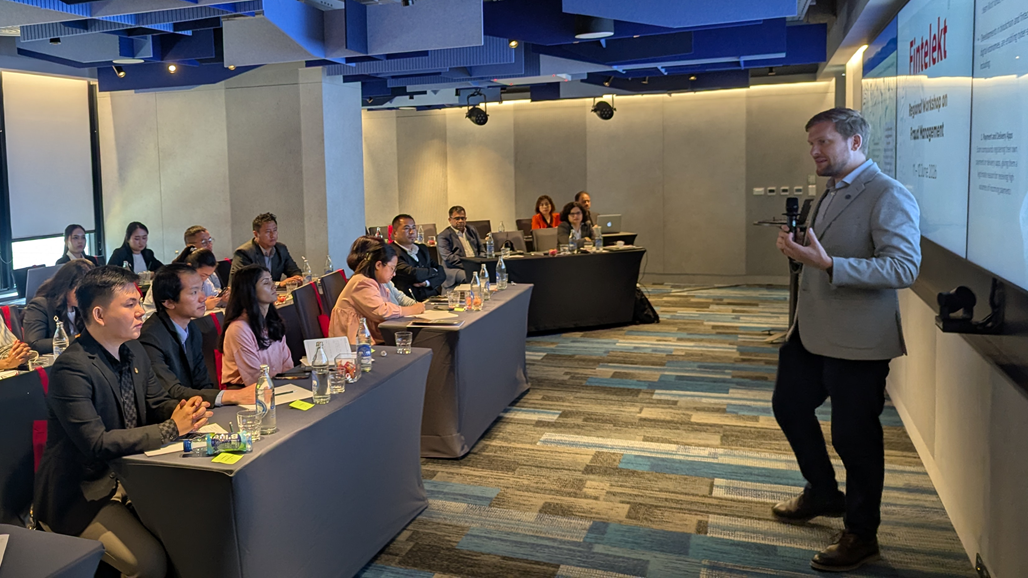
This session focused on the growing threat of cyber-scam centres and the financial crime networks that support them. He explained how these centres have evolved into large-scale, transnational operations that use trafficking, digital platforms, cryptocurrency, online gambling, and other technology-enabled channels to carry out fraud and launder illicit proceeds. He also highlighted the global spread of these operations, the complexity of victim recruitment and exploitation, and the need for stronger cross-border coordination and practical risk-reduction measures.
Session 3: Crypto-Enabled Fraud and Virtual Asset Risks
The third session of the day featured Jason Richards, the Compliance Lead of BitMEX. Jason shed light on the growing threat of cyber-enabled fraud and the increasing use of virtual assets, particularly stablecoins, to move illicit funds quickly across borders and outpace traditional financial controls.
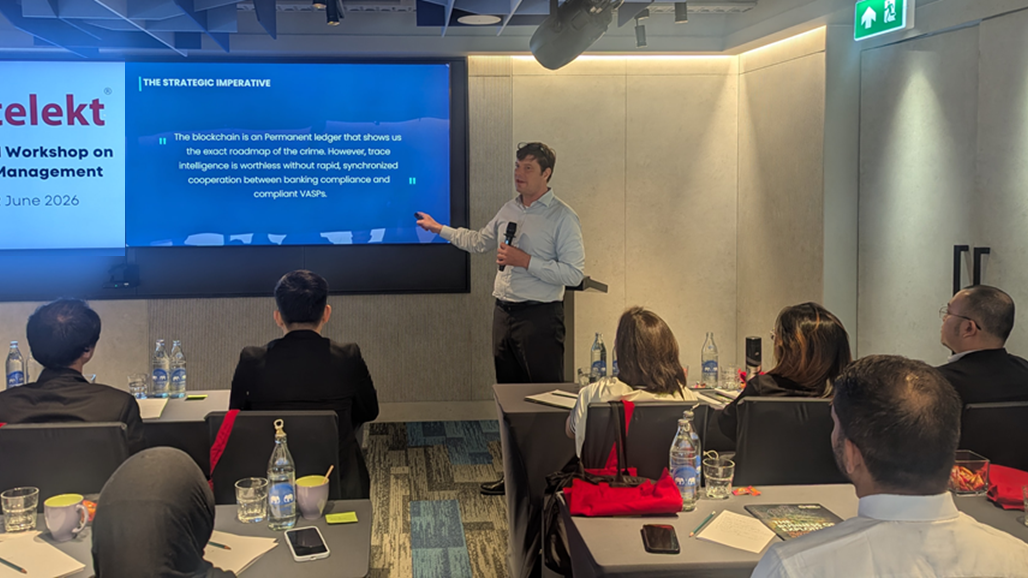
Drawing on examples from Southeast Asia, he explained how fraud proceeds are layered through exchanges, OTC channels, and wallet networks, creating new risks for banks and other financial institutions. He emphasized that financial institutions need to adapt their AML frameworks by integrating blockchain analytics, strengthening due diligence around virtual asset exposure, and improving coordination with compliant VASPs and law enforcement. The session underscored the need for faster detection, stronger cross-border cooperation, and more proactive governance to address emerging digital asset-related financial crime risks.
Session 4: FRAML – Bridging Fraud Risk and AML Controls
The next session was conducted by Ravi Lahoti, Trainer, Fintelekt and was based on the integration of fraud risk management and AML controls – FRAML. The session on FRAML underlines that the convergence of these two disciplines is no longer a strategic choice but an operational necessity.
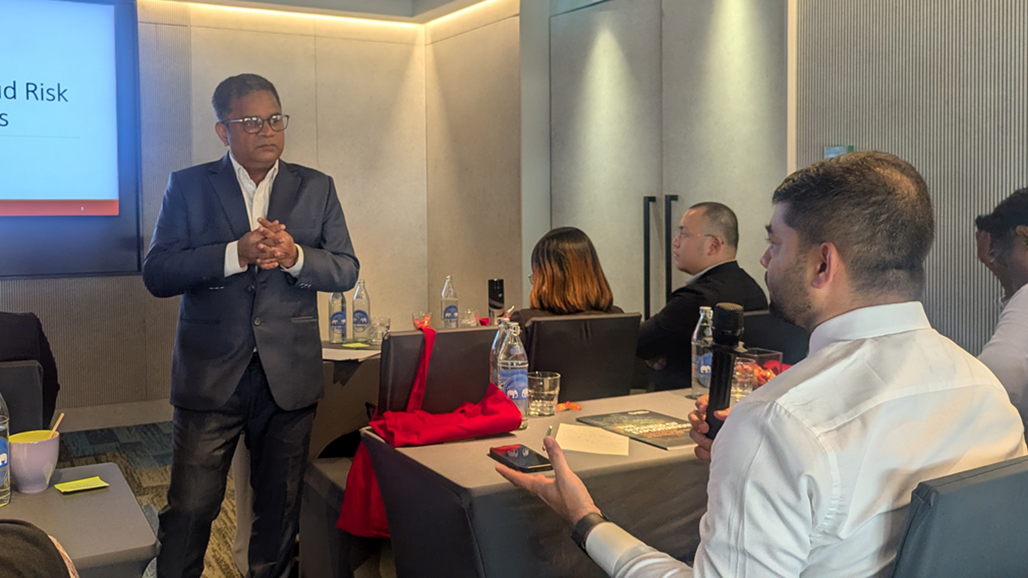
Ravi Lahoti's session made the case that fraud and money laundering are no longer sequential events but parts of the same financial crime chain, with proceeds moving through mule accounts and layering beginning almost immediately after a fraud occurs. The conventional institutional response of fraud teams focused on the victim side, while AML teams engaged only after funds had moved. Resulting in no use of the shared criminal infrastructure or data that both functions already have in common, resulting in duplicate alerts, delayed investigations, and missed network visibility. Ravi said that FRAML integration is not about merging departments but merging intelligence, so that a fraud alert, a suspicious transaction, a mule account, and a compromised device can be treated as components of a single financial crime ecosystem. Key implementation elements discussed in the session included board-level ownership, a common risk framework, a unified data layer, shared detection scenarios, and network analytics capability.
Session 5: Money Mules and Mule Account Networks
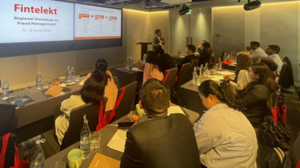
Ravi Lahoti continued with the last session for day one of the workshop. This session explored the role of money mules and mule account networks as a critical enabler of modern fraud ecosystems. The session underscored that mule accounts serve as the primary channels through which illicit proceeds are moved, layered, and withdrawn, making their disruption a key component of an effective FRAML strategy.
Ravi examined the growing scale of scam-related losses across Asia and outlined various mule typologies, including witting, unwitting, complicit, synthetic, and account-rental mules. The session also focused on practical detection and disruption measures, highlighting the importance of leveraging KYC indicators, transaction monitoring, behavioural analytics, device and network link analysis, and payment rail-specific controls to identify suspicious activity at an early stage and prevent the rapid movement of fraud proceeds.
Group Activity – Briefing the Board on Fraud Risk
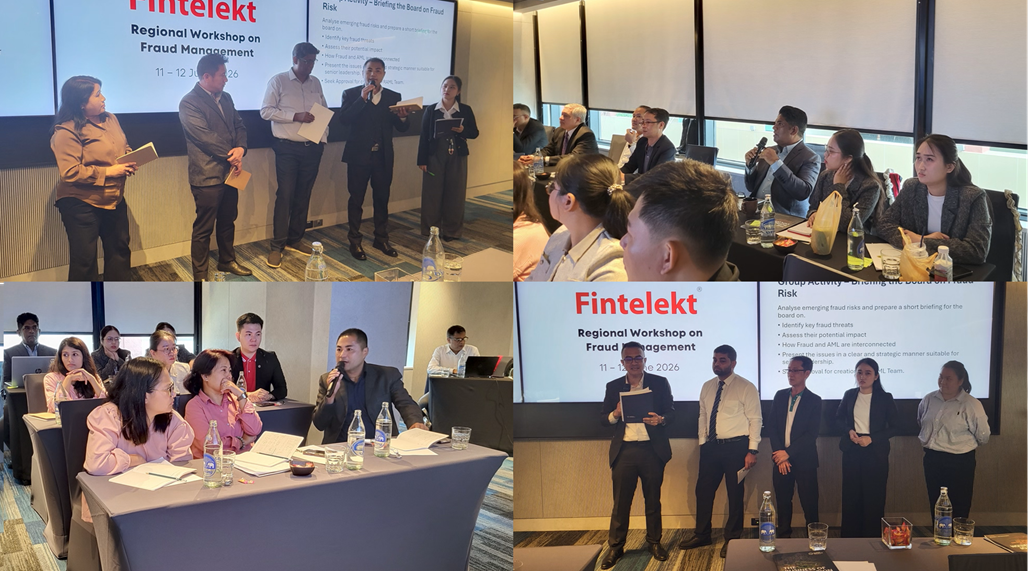
A lively group activity, where participants were divided into teams to present and elaborate on fraud risks to the board. Each team presented its findings, sparking an exchange of perspectives between all participants and concluding with insights and reflections from Ravi.
Workshop Day 2
Control, Governance and Prevention Frameworks
Day Two built on the foundational understanding of fraud risks developed on Day One and focused on strengthening institutional responses through effective controls, governance, and prevention frameworks. Sessions explored the importance of collaboration and information sharing, robust fraud risk governance, the integration of AI-driven technologies with traditional fraud detection systems, and lessons learned from fraud investigations and forensic reviews. Through practical discussions and a group exercise, participants examined strategies for enhancing organisational resilience, while the concluding session on proactive fraud prevention highlighted the need for integrated, intelligence-led approaches to detect, prevent, and disrupt fraud before losses occur.
Session 1: Combating Fraud Through Collaboration and Information Sharing
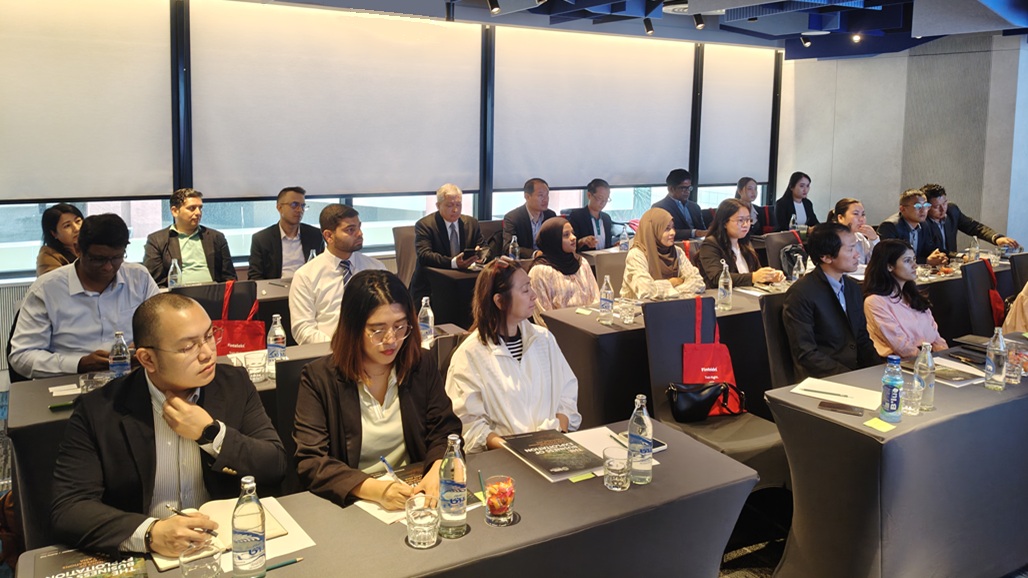
Chanunporn Aueaksorn, Cybercrime Investigation Manager, with an expertise in Corporate Fraud and Investigations, opened Day two of the workshop. The session commenced with a ground-level account of how Thailand has built a collaborative, multi-agency response to the fraud threat in Southeast Asia. The central thesis was that fraud is a network crime and can only be countered by a network response.
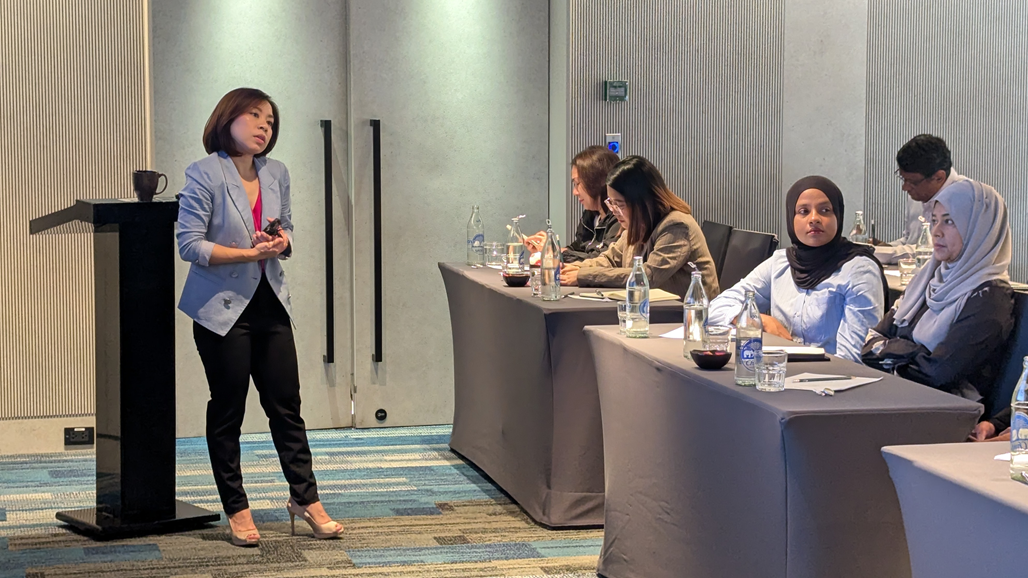
The session walked through Thailand's Anti-Cyber Scam Centre (ACSC) architecture, anchored by two operational mechanisms. The AOC 1441 hotline served as the single intake point for scam victims, with live operators triaging cases and escalating critical ones to the War Room, a joint operations centre where police, banks, and regulators work in real time. Supporting this was the Central Fraud Registry (CFR), a near-real-time inter-bank data sharing platform that allowed a customer flagged by one bank to be immediately blocked across the entire network and has acted on over 15,000 flagged criminal identities since launch. Case studies illustrated both the system's effectiveness and its limits - drawing intelligence from ten countries - resulted in over 150,000 fake accounts shut down, 21 arrests, and more than 300 trafficked Thai nationals rescued.
The session closed with five practical questions for delegates to take home, covering legal gateways, real-time escalation paths, inter-bank warning mechanisms, joint police-bank action, and secure data-sharing infrastructure.
Session 2: Designing Effective Fraud Risk Governance
Agnes Rea Kumar, a seasoned regulatory compliance expert from ARA Law Office, in her session, examined the design and institutional logic of Fraud Risk Governance (FRG). Drawing a clear distinction between corporate governance, which is oriented towards value creation and strategic direction and fraud risk governance, which is defensive in orientation, focused on identifying vulnerabilities, preventing asset misappropriation, and protecting institutional value.
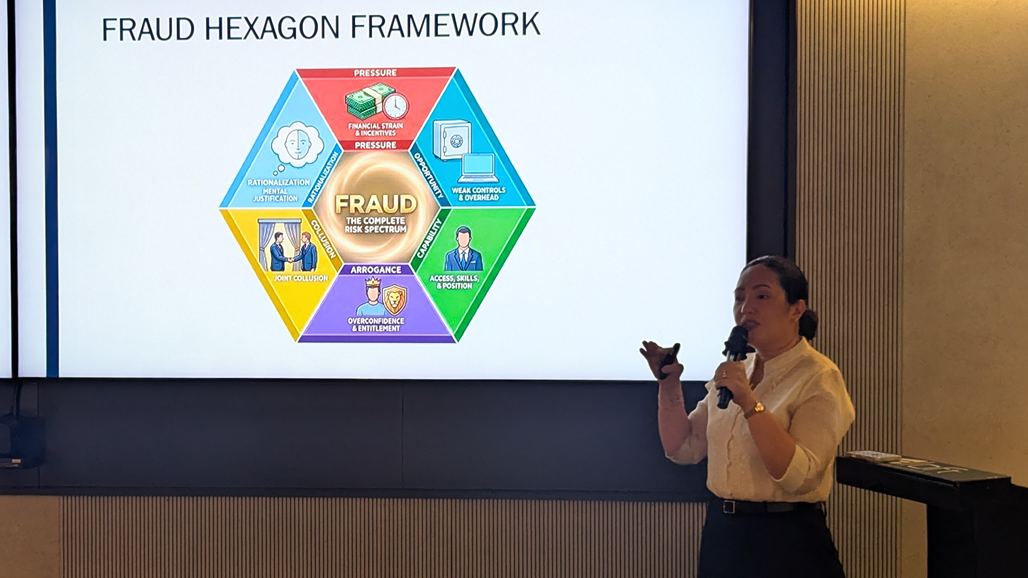
The session grounded FRG in the Fraud Hexagon framework, which maped the six enabling conditions for fraud, namely, pressure, opportunity, rationalisation, capability, collusion, and arrogance. Based on this, she proposed a five-element institutional response: organisational culture, independent structural architecture, risk assessment and technology integration, rigorous control activities, and continuous oversight, reporting, and response. Each element was positioned as a countermeasure to specific fraud enablers, with board-level oversight and senior management accountability treated as non-negotiable foundations.
The most compelling portion of the session was the three case studies used to demonstrate what governance failure looks like in practice. The session concluded that governance failures are not primarily systems failures; they are failures of structure, culture, and board accountability.
Session 3: Integrating AI with Traditional Fraud Detection Systems: A Hybrid Approach
The third session of day two was presented by Jonathan Sanam, Vice-President of Quantum Data Engines. His session explored the growing role of artificial intelligence in strengthening fraud detection and prevention capabilities within financial institutions.
Jonathan began by examining traditional fraud detection systems, highlighting their effectiveness in identifying known fraud patterns while noting their limitations in dealing with increasingly sophisticated and rapidly evolving threats. The presentation demonstrated how AI-powered technologies, including machine learning, anomaly detection, predictive analytics, and real-time monitoring, can complement conventional rule-based approaches by improving detection accuracy, reducing false positives, and enabling faster intervention. Jonathan also discussed the operational benefits of AI-driven fraud management, including enhanced scalability, automation, risk-based prioritisation, and improved customer experience.
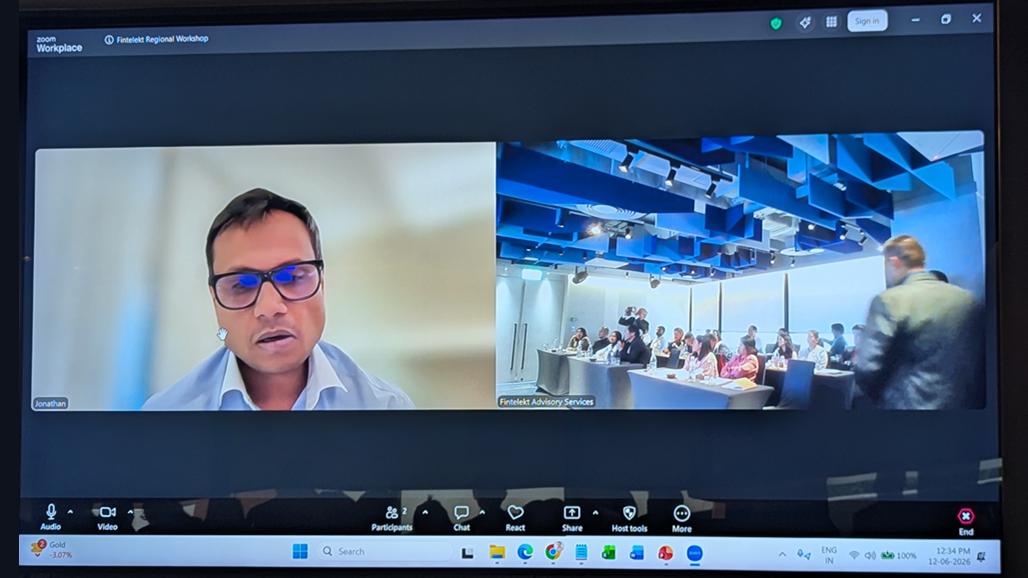
Looking ahead, he highlighted emerging innovations such as deep learning and behavioural biometrics, while stressing the importance of addressing challenges related to data privacy, algorithmic bias, and regulatory compliance.
The session reinforced the value of a hybrid approach that combines human expertise, traditional controls, and advanced analytics to build more resilient and proactive fraud prevention frameworks.
Session 4: Building a Proactive Fraud Prevention Framework
The last session of the workshop, by Ravi Lahoti, “Building a Proactive Fraud Prevention Framework,” highlighted the need for financial institutions to move beyond reactive fraud management towards a predictive, prevention-focused approach.
Drawing on emerging fraud trends across Asia, Ravi demonstrated how organised scam networks, mule accounts, instant payments, and digital channels have transformed the fraud landscape into a complex ecosystem challenge. The session outlined the key pillars of an effective fraud prevention framework, including strong governance, risk-based onboarding controls, behavioural and real-time monitoring, network intelligence, FRAML integration, advanced analytics, and customer awareness.
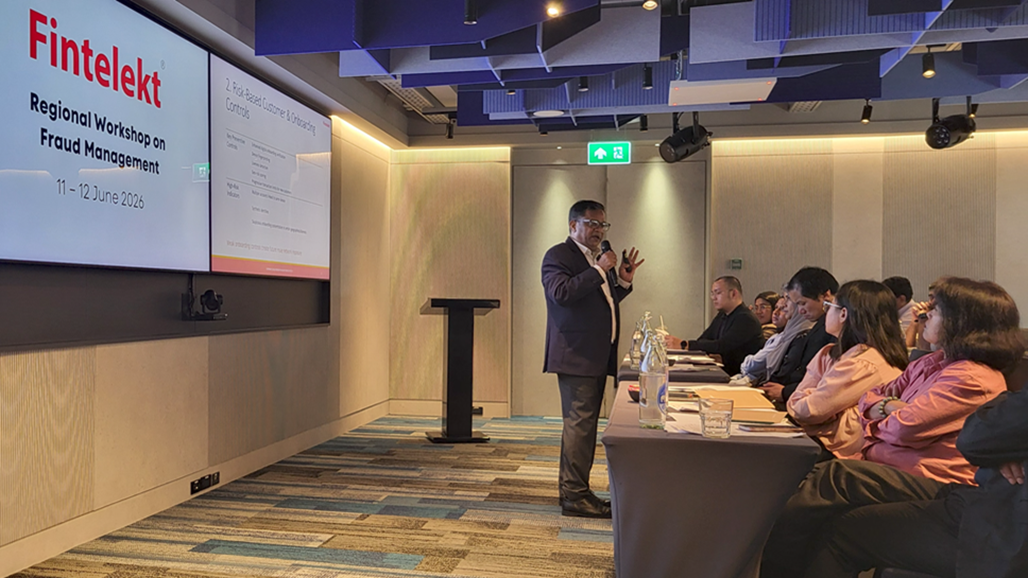
The session concluded with emphasis on early detection, real-time intervention, and ecosystem-wide collaboration to identify and disrupt fraud before losses occur, with practical recommendations to strengthen institutional capabilities and resilience.
Group Exercise Day 2 - Strengthening Institutional Responses to Fraud
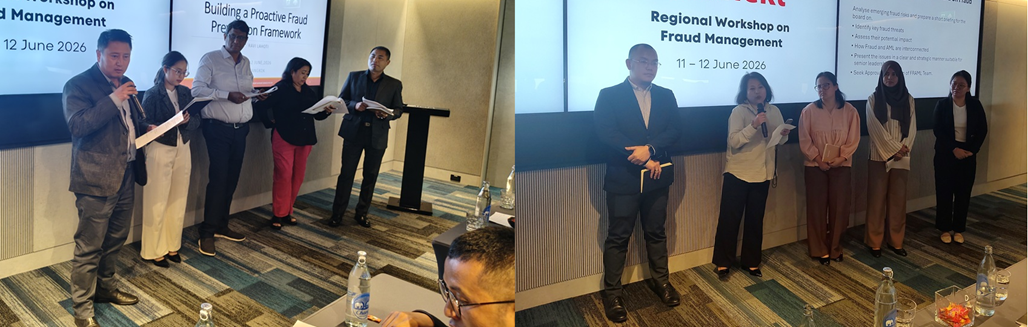
Building on the previous day's group activity, participants engaged in a practical exercise focused on developing an effective Fraud Prevention Network within their institutions. The groups presented their recommendations, leading to a rich exchange of perspectives and practical insights, before Ravi concluded the session with a comprehensive wrap-up.
Feedback
“I would like to express my sincere appreciation to Fintelekt for organizing such an insightful and well-structured workshop. The sessions were highly valuable and informative, providing practical insights into fraud management, scam centres, mule accounts, and virtual assets. I gained significant knowledge from the discussions and case studies shared during the workshop. Thank you once again for the opportunity to participate. I look forward to attending similar learning and knowledge-sharing programs in the future.”
-Sushmita Ghaley (T Bank Ltd)
“Over the past two days, I had the opportunity to participate in the Fintelekt Regional Workshop on Fraud Management in Bangkok, focused on scam centres, money mule networks, virtual assets, FRAML and emerging fraud risks. The discussions led by the workshop team provided valuable insights into the evolving fraud landscape, the role of money mule networks, the growing use of virtual assets, FRAML approaches, governance frameworks and the opportunities and challenges presented by AI. Technology may have changed the scale and speed of fraud, but understanding human behaviour remains one of the most important defences. My thanks to #Fintelekt the speakers and fellow participants for two days of insightful discussion, practical learning and valuable networking.”
-RJ Thomas (Behaviour Risk and Security Specialist)
“What a great learning experience these past two days have been! A big thank you to the speakers & especially to Fintelekt for organizing such an insightful workshop. As I head back to the Maldives, I look forward to applying the knowledge I’ve gained to enhance our current practices and strengthen our daily operations. I’m also excited to share these with my colleagues at BML as we continue our efforts to combat evolving fraud risks and protect our customers. Thank you once again to everyone who contributed to making this a truly enriching experience.”
Aasiyath Sharoona (Bank of Maldives)
Workshop’s significance
The workshop equipped participants with a comprehensive understanding of the evolving fraud landscape, including organised scam ecosystems and the role of mule account networks. It enhanced their awareness of key fraud typologies involving digital payments, social engineering, and virtual assets, while enabling them to identify gaps in fraud control and governance frameworks within their institutions. The programme also strengthened participants' ability to develop more effective institutional responses through improved fraud prevention, detection, investigation, and collaboration mechanisms.